
For years, Apple fans have waited for one big moment: the day Siri finally grows up.
At WWDC 2026, that moment may have arrived.
Apple’s developer conference wasn’t just another software update showcase. It felt like a reset. A signal that the company is ready to compete seriously in the AI era — not with flashy demos, but with something much more Apple-like: deeply integrated intelligence built right into the operating system.
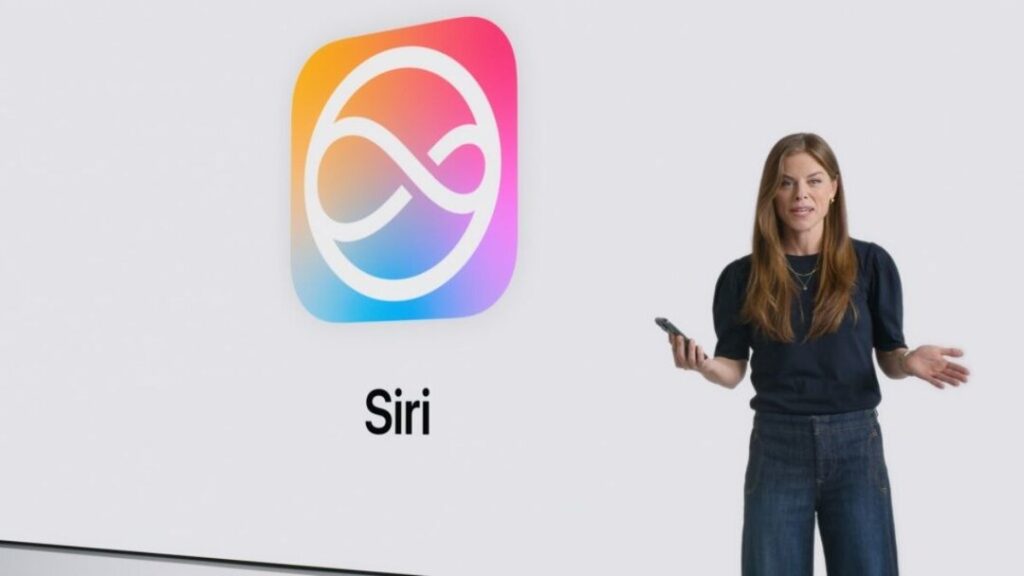
The headline? iOS 20, rebuilt around AI. And a completely reimagined Siri that feels less like a voice command tool and more like a digital assistant that actually understands you.
iOS 20: Apple’s Quiet AI Revolution
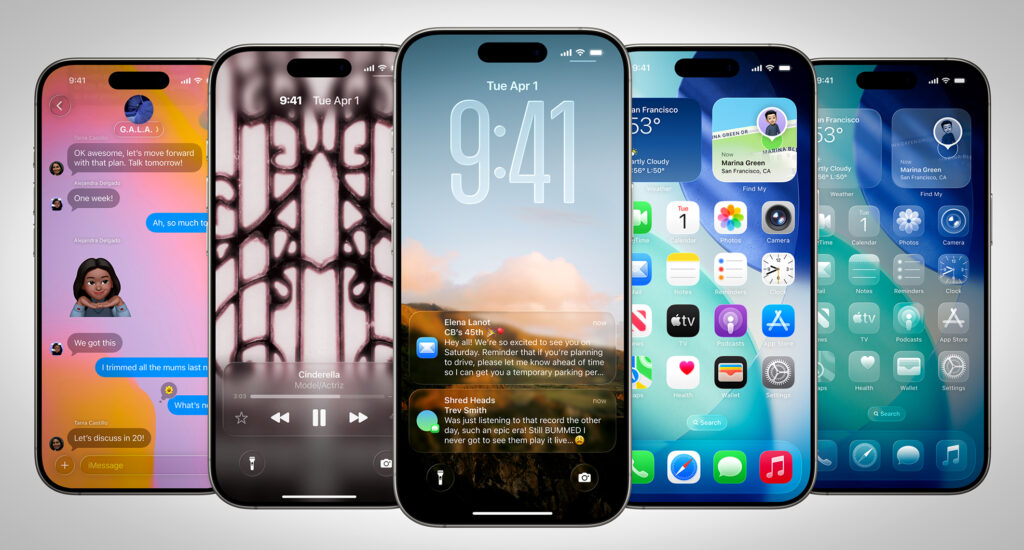
Apple didn’t position this as “AI everything.” That’s not its style. Instead, it introduced intelligence in places where people already spend their time — Messages, Photos, Mail, Safari, and system search.
The difference is subtle but powerful.
With iOS 20, your iPhone can now summarize long email threads instantly. It can rewrite texts in different tones — professional, friendly, concise. It can auto-generate photo albums based on events without you lifting a finger.
And yes, it does all this while promising strong on-device processing for privacy.
That’s Apple’s pitch: powerful AI without sacrificing control.
Siri 2.0: Finally Context-Aware
If there was one moment that drew the loudest reaction at WWDC, it was Siri’s live demo.
Instead of answering isolated commands, the new Siri understands context across apps. You can say:
“Send the photos from yesterday’s hike to Jake — the ones where we’re near the lake — and ask if Saturday works.”
No manual searching. No switching apps.
Siri pulls the photos, drafts the message, and understands who “Jake” is based on your contacts and recent conversations.
This is powered by Apple’s hybrid AI system — combining on-device neural processing with secure cloud computation when needed.
Why This Matters for Everyday Users
Most people don’t care about AI benchmarks. They care about time.
If iOS 20 can save 10 minutes a day by summarizing messages, organizing photos, and drafting replies, that’s real impact.
For busy professionals, students, and families juggling schedules, this isn’t about futuristic hype. It’s about convenience.
And because much of the processing happens on-device, users in the U.S. concerned about data privacy may feel more comfortable using AI features integrated directly into their phones.
Creators Get a Subtle but Powerful Upgrade
Content creators might benefit even more.
Apple introduced AI-powered photo editing inside the Photos app — including background cleanup, lighting enhancement, and object isolation. Video creators can auto-generate captions with improved accuracy. Notes can transcribe and summarize recordings instantly.
Imagine recording a podcast idea and having your iPhone create bullet-point show notes automatically.
For solo creators, that’s leverage.
How the Technology Actually Works
Under the hood, Apple is using a layered AI architecture.
First, there’s the updated Neural Engine in its latest chips. This handles lightweight AI tasks directly on your device. It ensures speed and privacy.
Then there’s Private Cloud Compute — Apple’s secure server-side processing system. When a request requires more advanced reasoning, it’s processed in Apple’s encrypted cloud environment and not stored.
This hybrid model allows Apple to compete with cloud-heavy AI platforms while maintaining its privacy-first branding.
It’s a balancing act. And it’s ambitious.
Key Features at a Glance
- Context-aware Siri across apps
- Email and message summarization
- AI-powered writing assistance
- Smart photo and video editing tools
- Automatic transcription and note summaries
- On-device AI processing for privacy
Limitations and Open Questions
No launch is perfect.
Some features are limited to newer iPhones with advanced chips. Older devices may not support the full AI suite.
There’s also the broader competitive question. Google and Microsoft have aggressively integrated AI into search and productivity tools. Apple’s approach is more controlled — perhaps slower, but more cohesive.
Will users prefer that? Or will they want more experimental freedom?
The Bigger Picture: Apple’s AI Identity
For years, Apple seemed cautious in the generative AI race.
WWDC 2026 changes that narrative.
Instead of launching a standalone chatbot, Apple embedded AI into the operating system itself. That’s a long-term strategy. It makes intelligence feel native, not optional.
If successful, iOS 20 could redefine how smartphones function — not as apps you open, but as systems that anticipate your needs.
And that’s a powerful shift.
What This Means for the Future
The smartphone is no longer just a device. It’s becoming an AI companion.
As Apple refines this model, expect deeper integration across macOS, iPadOS, and even wearable devices. Cross-device AI workflows could become seamless.
Imagine starting a project on your iPhone and having your Mac intelligently continue it — already summarized, organized, and optimized.
WWDC 2026 might be remembered as the year Apple quietly transformed the iPhone into something smarter than ever.
Frequently Asked Questions (FAQ)
1. When will iOS 20 be available?
Developer previews are expected shortly after WWDC, with a public beta in the summer and full U.S. release likely in the fall alongside new iPhone models.
2. Will all iPhones support the new AI features?
Advanced AI tools may require newer chips with updated Neural Engines. Older models may receive limited functionality.
3. Is Siri now powered by generative AI?
Yes, Apple has integrated generative AI capabilities into Siri, enabling contextual understanding and multi-step commands.
4. Is user data sent to Apple’s servers?
Apple states many tasks are handled on-device. More complex processing may use secure cloud systems with privacy protections.
5. How does this compare to other AI assistants?
Apple’s approach emphasizes integration and privacy over standalone chatbot experiences, positioning AI as part of the operating system rather than a separate tool.
Final Thought: Apple didn’t just update iOS. It redefined what intelligence on a smartphone can feel like. And this time, Siri might finally be ready.