
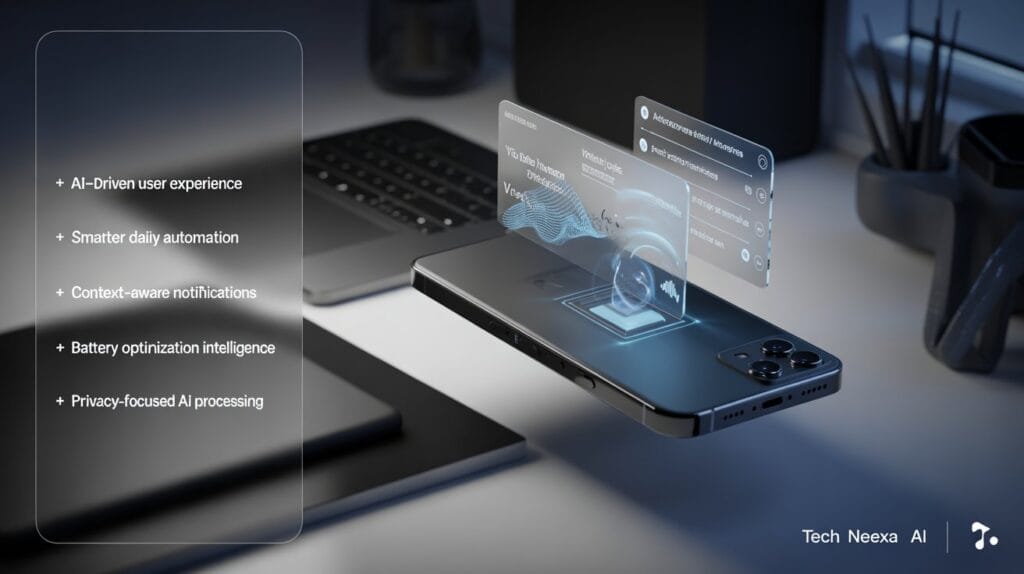
Walk into any electronics store in the U.S. right now and you’ll notice something interesting. People aren’t just browsing phones anymore — they’re asking questions. Not about storage or camera megapixels, but about AI features, battery longevity, and how long a device will actually stay relevant.
That shift in conversation is exactly why early chatter around the iPhone 18 Pro Max is gaining traction faster than usual. It’s not just another yearly upgrade cycle. It feels like something bigger might be forming beneath the surface.
And if you’ve followed Apple long enough, you know — when expectations quietly change, the product usually does too.
Why the Buzz Around iPhone 18 Pro Max Feels Different
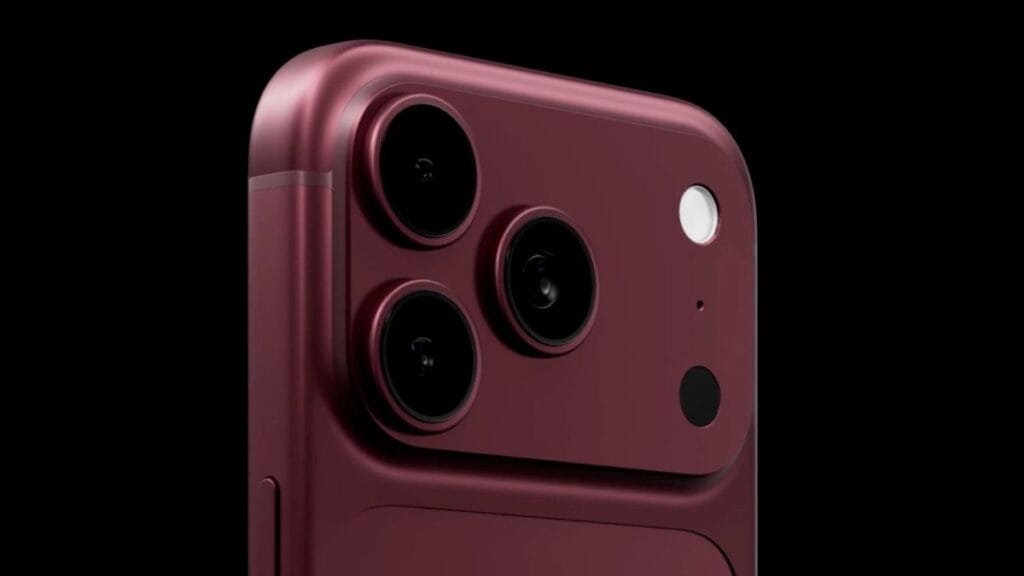
Apple leaks are nothing new. Every year, rumors start early, grow louder, and then settle somewhere between truth and speculation.
But this time, the tone is shifting. Conversations aren’t centered only on hardware upgrades. Instead, there’s growing curiosity around how Apple might integrate deeper AI capabilities directly into the device.
That matters — especially in the U.S., where consumers are holding onto phones longer and expecting more meaningful upgrades when they finally switch.
Looking Back: How Apple Redefined “Pro” Over Time
To understand where things might go, it helps to look at how Apple has evolved its Pro lineup.
When the “Pro” label first appeared, it was mostly about camera systems and premium materials. Over time, it expanded into performance, display technology, and battery optimization.
But here’s the subtle shift: “Pro” is no longer just about better specs. It’s about capability — what the device enables you to do.
That’s where the next phase could begin.
AI Is No Longer Optional — It’s Becoming the Core
Across the tech industry, AI is quickly moving from cloud-based tools into on-device experiences.
For Apple, this presents both an opportunity and a challenge.
Unlike competitors that rely heavily on cloud processing, Apple has consistently emphasized privacy and on-device computation. If the iPhone 18 Pro Max leans further into that approach, it could reshape how users interact with AI entirely.
Imagine a device that doesn’t just respond — but anticipates. Not in a flashy, gimmicky way, but in subtle, useful ways that blend into daily life.
What This Could Mean for Everyday Users
For most people, the impact won’t be about technical breakthroughs. It will show up in small, practical moments.
- Smarter notifications that actually reduce noise
- Voice assistants that understand context, not just commands
- Battery systems that adapt to real usage patterns
- Photos that require less manual editing
These aren’t headline-grabbing features — but they’re the kind that quietly improve the experience over time.
Creators and Professionals: A Different Kind of Upgrade
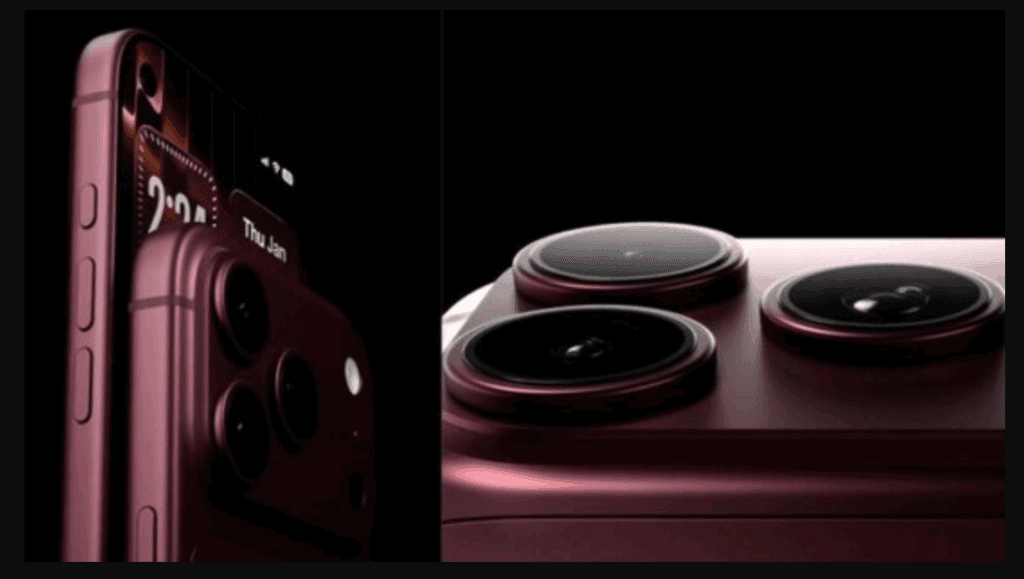
For content creators and professionals, the expectations are higher.
Performance matters, of course. But increasingly, efficiency matters more.
If Apple introduces AI-assisted workflows — whether in video editing, photo processing, or even note-taking — it could significantly reduce the time between idea and output.
That’s where real value lies. Not just doing more, but doing it faster and with less friction.
Where Apple Still Needs to Be Careful
Not every shift is automatically a win.
There are real concerns that come with deeper AI integration, especially in the U.S. market where users are becoming more aware of privacy and data usage.
- How much data stays on-device vs. cloud?
- Will advanced features be locked behind subscriptions?
- Will older devices be left behind faster?
These questions aren’t theoretical anymore. They directly influence buying decisions.
The Business Side: Why This Strategy Makes Sense
From a business perspective, Apple’s direction is fairly logical.
Hardware margins are stable, but growth increasingly comes from services and ecosystem lock-in.
By embedding smarter AI into devices, Apple can:
- Increase user dependency on its ecosystem
- Justify premium pricing
- Open the door to future service-based revenue
It’s not just about selling a phone anymore. It’s about owning the experience around it.
What Most Articles Miss
Most coverage focuses on specs, leaks, and comparisons. But the bigger shift is behavioral.
U.S. consumers are becoming more selective. They’re upgrading less frequently and expecting more meaningful improvements when they do.
This creates pressure on Apple to deliver not just better hardware — but a better reason to upgrade.
If the iPhone 18 Pro Max succeeds, it won’t be because it’s faster. It will be because it feels smarter in a way users actually notice.
Real-World Scenario: How This Might Play Out
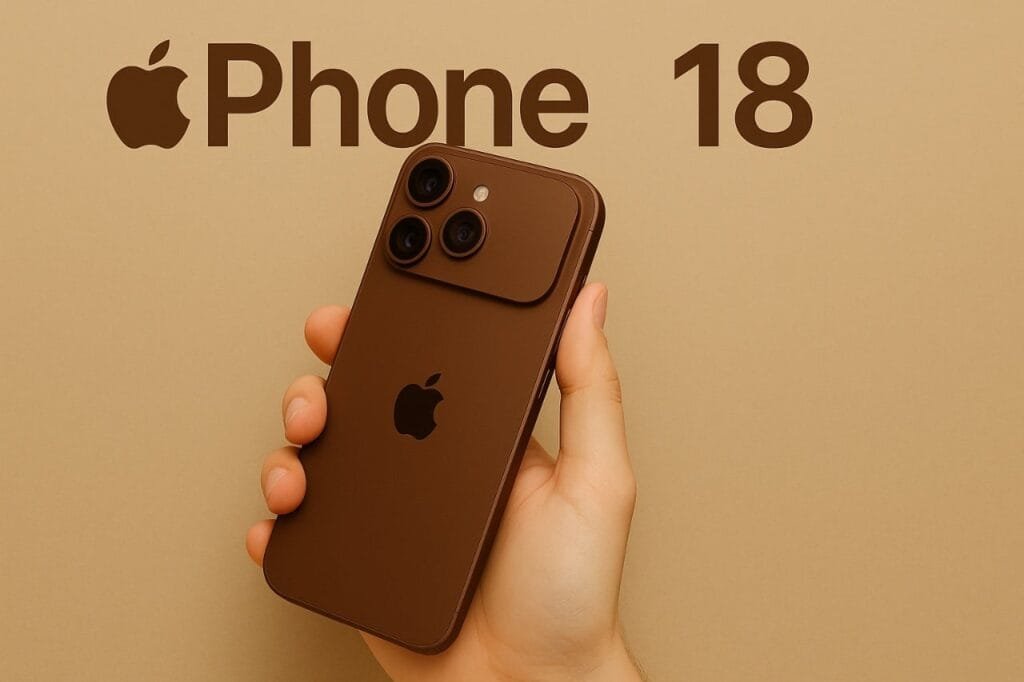
Consider a typical weekday morning.
You wake up, check your phone, and instead of scrolling through a cluttered notification feed, you see a concise summary — what matters, what can wait.
Your calendar adjusts based on traffic conditions. Your reminders shift depending on your habits. Your device feels less like a tool and more like a quiet assistant.
That’s the direction the industry is moving toward.
Limitations That Still Exist
Even with all the potential, there are constraints.
- On-device AI requires powerful chips, which impacts cost
- Battery life may still struggle under heavier workloads
- Not all features will be universally useful
And perhaps most importantly, user trust takes time to build. Apple will need to balance innovation with transparency.
Market Impact: A Subtle but Important Shift
If Apple leans fully into AI-driven experiences, competitors won’t have much choice but to follow.
This could accelerate a broader industry shift where:
- Phones become more context-aware
- Interfaces become less manual
- Apps become more predictive
It’s not a dramatic overnight change. It’s gradual — but significant.
Future Outlook: Not Flashy, But Foundational
The future of smartphones isn’t about radical redesigns anymore. It’s about refinement.
Devices will become quieter, smarter, and more adaptive.
The iPhone 18 Pro Max, if it lives up to expectations, may not look dramatically different. But it could feel different in ways that matter daily.
And that’s where real innovation often hides.
FAQs
1. Will the iPhone 18 Pro Max focus more on AI than hardware upgrades?
While hardware improvements will continue, the industry trend suggests a stronger emphasis on AI-driven features that enhance everyday usability rather than just raw performance.
2. Could new features require a subscription?
It’s possible. Many tech companies are moving toward hybrid models where advanced capabilities are tied to services, though Apple may approach this carefully to avoid user backlash.
3. How might this affect older iPhone users?
Advanced AI features often rely on newer hardware, which could limit availability on older devices and influence upgrade cycles.
4. Is privacy still a concern with AI-powered phones?
Yes. Even with on-device processing, users are increasingly aware of how data is used, making transparency a key factor in adoption.
Final Thoughts
Every few years, the smartphone industry hits a moment where expectations quietly reset.
This could be one of those moments.
The iPhone 18 Pro Max may not just be another upgrade. It might represent a shift toward devices that understand us a little better — and, ideally, stay out of the way when they should.
Whether that vision fully materializes remains to be seen. But the direction is becoming harder to ignore.