
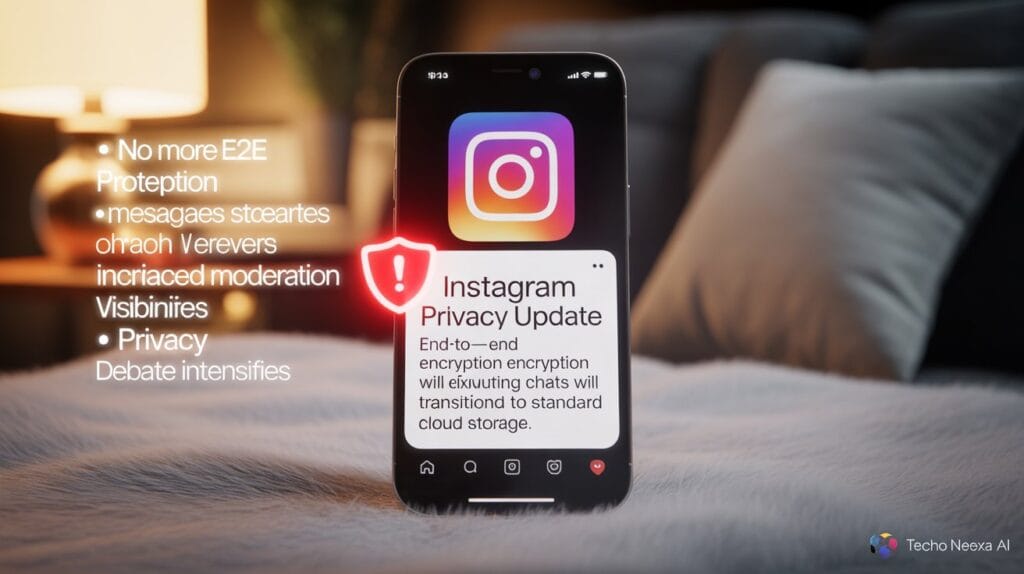
Imagine opening Instagram one morning and realizing your private messages aren’t as private as you thought.
That’s the fear rippling across social media after reports surfaced claiming that Meta plans to remove end-to-end encryption (E2EE) from Instagram Direct Messages starting May 8, 2026. The claim has sparked confusion, outrage, and a lot of questions.
Is this really happening? And if it does—what would it mean for everyday users in the United States?
First, Let’s Understand What’s Being Reported
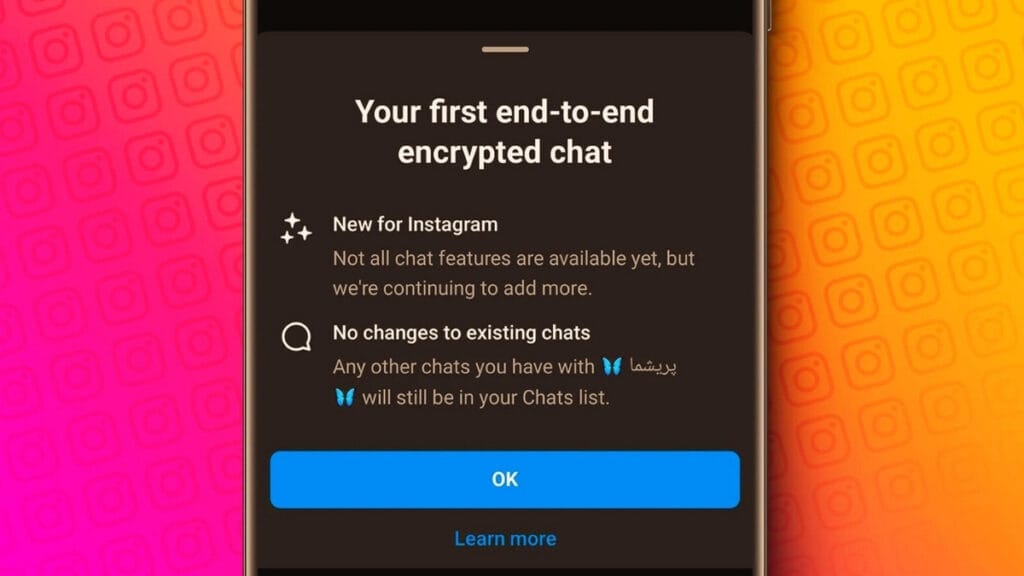
According to posts circulating online, Meta has confirmed it will discontinue end-to-end encryption support for Instagram DMs next year. If true, that would mark a significant shift in how messages on the platform are protected.
Currently, end-to-end encryption ensures that only you and the person you’re chatting with can read the messages—not even the platform itself.
Removing that layer would fundamentally change the privacy equation.
However, it’s important to note that official confirmation from Meta’s primary communication channels would ultimately determine the validity and scope of such a decision.
What Is End-to-End Encryption—And Why Does It Matter?
End-to-end encryption isn’t just a buzzword. It’s the backbone of modern digital privacy.
When a message is end-to-end encrypted, it’s scrambled into unreadable code before leaving your device. Only the recipient’s device has the key to unlock it.
That means:
- Platforms cannot read your conversations
- Hackers cannot easily intercept readable messages
- Governments cannot access content without device-level access
It’s the same principle used by apps like WhatsApp and Signal. In fact, Meta has long promoted encryption as a privacy-forward feature across its ecosystem.
Why Would Meta Remove Encryption?
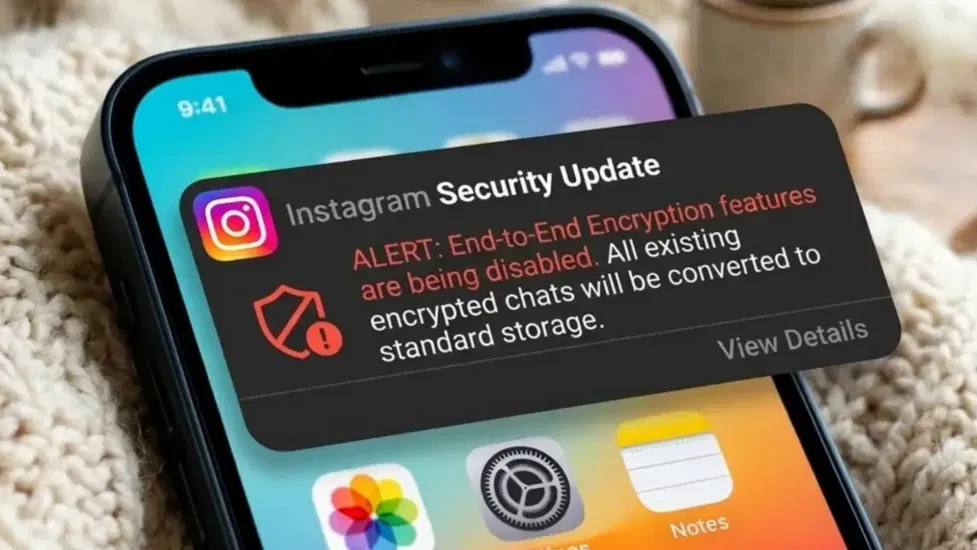
This is where the debate gets complicated.
There are a few possible motivations that analysts often discuss when companies adjust encryption policies:
- Regulatory pressure from governments concerned about illegal activity
- Content moderation challenges in encrypted environments
- Platform safety enforcement improvements
- Infrastructure or technical restructuring
Encrypted systems make it harder for platforms to proactively detect harmful content. While encryption protects privacy, it can also limit visibility into abusive behavior, scams, and coordinated criminal activity.
That tension—between privacy and safety—is at the center of this conversation.
What This Means for Everyday Instagram Users
For most users, Instagram DMs are casual—memes, photos, quick chats. But for many others, they are business tools, creator pipelines, and even confidential communication channels.
If encryption were removed, here’s what could change:
- Messages may become accessible to platform-level review systems
- Enhanced moderation scanning could increase
- Data storage and analysis policies may expand
While companies maintain that user data is handled responsibly, the perception of privacy matters. And perception shapes trust.
Would users feel comfortable discussing sensitive topics? Would creators move business conversations elsewhere?
Those are real concerns.
Impact on Creators and Digital Entrepreneurs
Instagram isn’t just a social app anymore. It’s a marketplace.
Influencers negotiate brand deals in DMs. Small businesses handle customer service. Coaches share confidential advice. Journalists communicate with sources.
If encryption disappears, some creators may migrate sensitive conversations to alternative platforms offering stronger privacy guarantees.
Trust drives engagement. And engagement drives revenue.
How Encryption Actually Works Behind the Scenes

Technically speaking, end-to-end encryption relies on public-key cryptography.
Each user has two keys:
- A public key (shared openly)
- A private key (kept secret on their device)
When someone sends a message, it’s encrypted using the recipient’s public key. Only the recipient’s private key can decrypt it.
Without access to that private key, even the service provider cannot decode the message content.
Removing E2EE would likely shift message handling to server-accessible encryption, where data could technically be decrypted under certain internal processes.
Privacy vs. Safety: A Long-Running Tech Debate
This isn’t the first time encryption has become controversial.
Governments argue that strong encryption can shield criminal activity. Privacy advocates argue that weakening encryption exposes millions of innocent users to surveillance and breaches.
Both arguments carry weight.
The question is where the balance should land.
Could This Signal a Bigger Shift in Social Media?

If Instagram were to move away from end-to-end encryption, it could indicate a broader industry recalibration.
Are platforms prioritizing moderation visibility over maximum privacy?
Are regulators pushing harder behind the scenes?
Or is this part of a strategic realignment in how Meta integrates messaging across its platforms?
It’s too early to declare a trend—but the conversation is clearly heating up.
What Should Users Do Now?
There’s no need to panic.
But it’s wise to stay informed.
- Monitor official announcements from Meta
- Review your privacy settings regularly
- Consider alternative messaging apps for highly sensitive conversations
- Understand what level of privacy you personally require
Digital literacy is no longer optional. It’s essential.
The Bigger Picture
Social platforms are evolving. Privacy expectations are evolving. Regulation is evolving.
Whether or not Instagram ultimately removes end-to-end encryption, this moment reflects something larger: users care deeply about control over their conversations.
And once trust is shaken, rebuilding it isn’t easy.
The coming months will reveal whether this is a confirmed shift—or simply a wave of viral speculation.
Either way, one thing is certain: privacy will remain one of the defining technology debates of this decade.
Frequently Asked Questions (FAQ)
Is Instagram currently end-to-end encrypted?
Instagram has introduced optional end-to-end encryption features in certain messaging contexts, though not all DMs have historically defaulted to full E2EE.
Has Meta officially confirmed removing encryption?
Users should rely on official Meta announcements and verified newsroom updates for confirmation, as social media posts can sometimes misinterpret internal changes.
What happens if encryption is removed?
Messages may still be encrypted in transit but could be accessible to platform systems under certain moderation or policy frameworks.
Are there alternatives for private messaging?
Apps like Signal and other privacy-focused platforms are commonly used by individuals seeking maximum encryption protection.
Should creators be concerned?
Creators who handle sensitive contracts or private communications may consider diversifying their messaging channels as a precaution.