
Xiaomi just made a statement — and it’s not a subtle one.
With the unveiling of the Xiaomi 17 Series, the company is doubling down on premium hardware, pro-grade photography, and raw performance. Leica-tuned cameras. Qualcomm’s latest Snapdragon 8 Elite chip. Massive silicon-carbon batteries. Ultra-bright LTPO displays.
This isn’t a mid-range disruptor. It’s a flagship aiming straight at the top tier.
And for U.S. tech enthusiasts watching from the sidelines, the big question is simple: if this phone officially landed stateside, would it shake up the premium market?
A Serious Hardware Upgrade
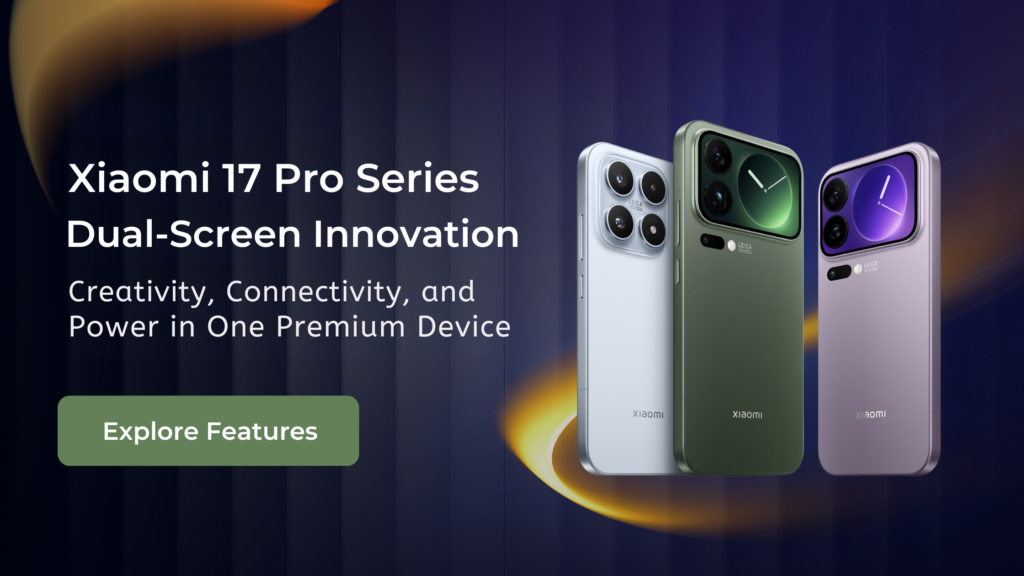
The Xiaomi 17 lineup includes two major models: the standard Xiaomi 17 and the more camera-focused 17 Ultra.
Both are powered by Qualcomm’s Snapdragon 8 Elite platform — the company’s newest performance-focused chip built for advanced AI workloads, gaming, and computational photography. In practical terms, that means faster on-device AI processing, smoother multitasking, and console-level mobile gaming potential.
Memory configurations go as high as 16GB of LPDDR5X RAM paired with ultra-fast UFS 4.1 storage. This is the kind of hardware typically reserved for devices competing in the $1,000+ category.
For power users — creators, mobile gamers, and heavy multitaskers — this setup is built to handle everything from 4K video editing to AI image generation directly on the phone.
Leica Cameras: Not Just a Badge
Xiaomi’s continued partnership with Leica is central to the 17 Series identity.
The camera system includes a 50MP primary sensor, a dedicated telephoto lens, and advanced image processing powered by AI enhancements. On the Ultra model, the emphasis shifts even more heavily toward photography, aiming to deliver DSLR-like results from a pocket device.
Leica’s involvement isn’t just branding. It influences color science, contrast tuning, and overall image character. The result? Photos that lean toward a more natural, cinematic tone rather than oversaturated smartphone-style processing.
For content creators, that matters. Social-ready photos with less editing required. More dynamic range. Better low-light balance.
In a world where TikTok, YouTube Shorts, and Instagram Reels dominate, camera quality isn’t a spec — it’s a strategy.
Display and Battery: Built for Heavy Use
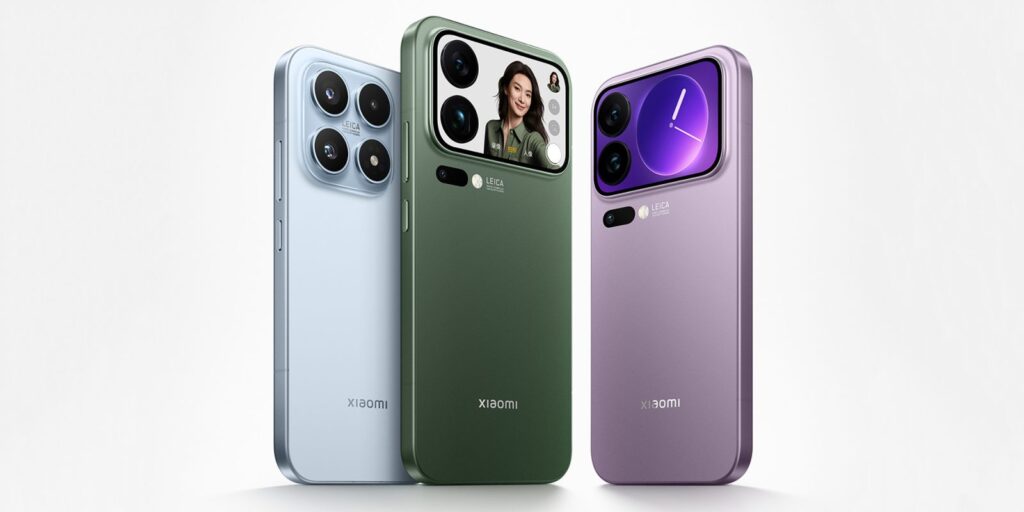
The Xiaomi 17 features a 6.3-inch 1.5K LTPO OLED display with a 120Hz adaptive refresh rate.
LTPO technology dynamically adjusts refresh rates depending on what you’re doing — scrolling at 120Hz for smoothness, dropping lower when viewing static content to preserve battery life. It’s efficient and fluid at the same time.
Brightness levels are designed to compete with the brightest flagship displays currently available, making outdoor visibility less of a struggle.
Then there’s the battery.
Xiaomi is using a silicon-carbon battery design, allowing for higher energy density without increasing physical size. Translation: more capacity in the same footprint.
The device supports ultra-fast wired charging and high-speed wireless charging, reducing downtime significantly.
For U.S. users accustomed to overnight charging routines, this kind of rapid top-up capability could change daily habits entirely.
HyperOS and AI Integration
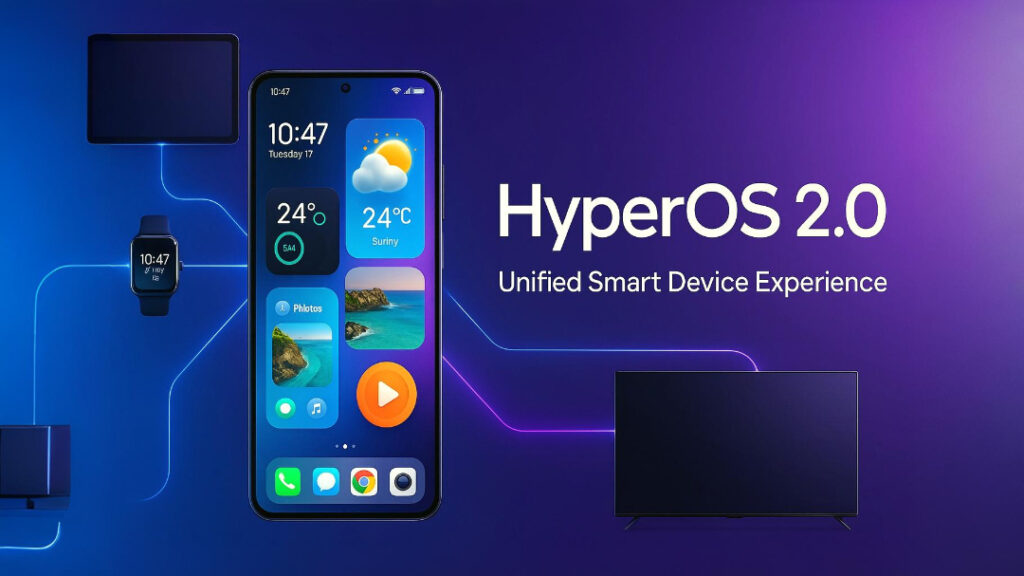
The 17 Series runs on Xiaomi’s HyperOS 3, layered on top of Android.
HyperOS is designed to unify phones, tablets, wearables, and smart home devices into one ecosystem. While Xiaomi’s ecosystem presence isn’t as dominant in the U.S. as Apple’s or Samsung’s, the software shows where the company is headed — toward tighter AI integration and cross-device intelligence.
On-device AI handles photo enhancement, background object removal, real-time language translation, and performance optimization.
As smartphones increasingly become AI hubs rather than just communication tools, hardware like Snapdragon 8 Elite paired with optimized software becomes essential.
Why This Matters for the U.S. Market
While Xiaomi’s availability in the United States remains limited, launches like this send a broader message.
Competition at the top drives innovation across the industry.
When one manufacturer pushes battery technology forward, others follow. When camera color science evolves, consumers expect better from everyone.
For U.S. buyers who import devices or follow global tech trends, the Xiaomi 17 Series represents what’s possible when aggressive hardware strategy meets premium branding.
It also reflects how Chinese manufacturers are no longer competing solely on price. They’re competing on performance, photography, and design credibility.
Key Highlights at a Glance
- Snapdragon 8 Elite flagship processor
- Up to 16GB LPDDR5X RAM
- UFS 4.1 high-speed storage
- Leica-engineered 50MP camera system
- 1.5K 120Hz LTPO OLED display
- Silicon-carbon high-density battery
- Fast wired and wireless charging
- IP69 durability rating
Potential Limitations
No device is perfect.
Global software support, long-term update commitments, and official U.S. carrier compatibility could be challenges for American users.
Pricing also positions the device firmly in premium territory, meaning it competes directly with established brands that already have deep retail presence and service networks in the U.S.
The Bigger Picture
The Xiaomi 17 Series isn’t just another smartphone launch.
It signals a continued shift in the global smartphone race — one where camera science, AI performance, and battery innovation matter as much as brand loyalty.
For U.S. tech enthusiasts, even if this device isn’t widely available locally, it represents pressure on the market — and pressure benefits consumers.
If Xiaomi ever re-enters the U.S. market aggressively with hardware like this, the flagship conversation could look very different.
And that possibility alone makes the Xiaomi 17 Series worth watching.
Frequently Asked Questions (FAQ)
Is the Xiaomi 17 Series available in the United States?
Official U.S. availability is limited. Some users may import the device, but carrier compatibility and warranty coverage should be checked before purchase.
What processor does the Xiaomi 17 use?
The Xiaomi 17 Series runs on Qualcomm’s Snapdragon 8 Elite platform, designed for high-performance AI processing, gaming, and multitasking.
Does the Xiaomi 17 support wireless charging?
Yes, the device supports high-speed wireless charging in addition to ultra-fast wired charging.
What makes the Leica partnership important?
Leica influences image tuning, color science, and overall photographic style, offering a more natural and cinematic output compared to standard smartphone processing.
How does the silicon-carbon battery differ from traditional batteries?
Silicon-carbon batteries allow higher energy density, meaning more battery capacity without increasing the physical size of the phone.