
The way people create videos online is going through a dramatic transformation. Not long ago, producing a polished video required editing skills, expensive software, and hours of work. But a new wave of AI-powered tools is beginning to simplify the entire process, allowing people to create professional-looking videos with minimal effort.
For creators, marketers, and businesses, this shift could change the way digital content is produced forever. Artificial intelligence is no longer just assisting creators—it’s becoming a powerful creative partner.
The Rapid Rise of AI Video Creation
Artificial intelligence has already transformed several creative industries. First it helped automate writing tasks, then it revolutionized image creation. Now video production is experiencing the same disruption.
Read more must..Modern AI video tools are designed to remove the most complicated parts of editing. Instead of manually cutting clips, adding transitions, and adjusting effects, users can simply provide instructions or upload raw material. The AI system then generates a structured video automatically.
This shift is important because video is currently the most dominant form of content on the internet. Platforms like social media, marketing websites, and online learning portals all rely heavily on video engagement.
Why This Matters for Everyday Users
For many people, creating video content has always been intimidating. Video editing software often requires technical knowledge and practice. Even simple edits can take a long time.
AI-powered tools are lowering this barrier significantly.
Users can now create explainer videos, tutorials, product demonstrations, and social media clips without needing professional editing skills. This makes video creation more accessible to students, entrepreneurs, educators, and independent creators.
In practical terms, someone with only an idea can now produce a complete video in a fraction of the time previously required.
How AI Actually Creates Videos
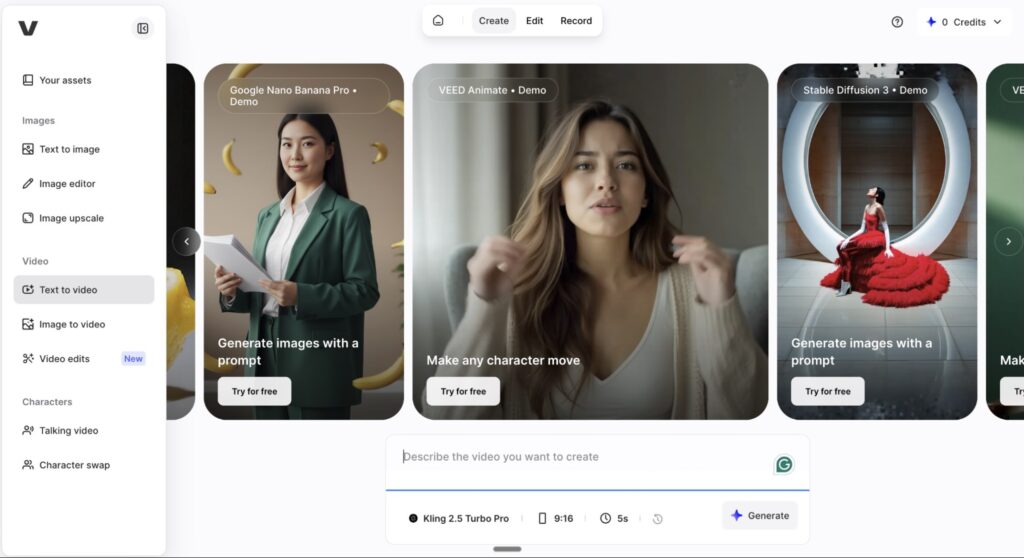
Behind these tools are sophisticated machine learning models trained on large datasets containing images, video clips, voice patterns, and editing styles.
When a user provides text instructions or raw footage, the AI analyzes the request and automatically performs tasks such as:
- Generating visual scenes
- Adding transitions and motion effects
- Synchronizing voice and subtitles
- Suggesting background music
- Structuring the overall storyline
The system essentially imitates the workflow of a professional video editor. Instead of manually assembling every element, the AI automates much of the creative process.
Why Content Creators Are Paying Attention
For digital creators and influencers, speed is critical. Platforms reward consistency, and creators who publish content regularly often gain better visibility.
AI video tools allow creators to produce more content in less time. A process that once required hours of editing can now take minutes.
This means creators can focus more on ideas and storytelling instead of technical editing tasks.
For marketing teams, the benefits are also significant. Businesses can quickly produce promotional videos, advertisements, or educational content without maintaining a full video production team.
Opportunities and Limitations
Despite the excitement around AI video tools, the technology still has limitations.
While AI can automate editing and assist with visual generation, human creativity remains an essential part of storytelling. AI may suggest structures or visuals, but compelling narratives still depend on human ideas.
There are also questions about originality and authenticity. As AI-generated content becomes more common, platforms may need to rethink how they evaluate originality and creativity.
The Future of Video Creation
The rapid evolution of AI video technology suggests that the tools available today are only the beginning.
In the coming years, AI systems could become even more advanced—capable of generating entire cinematic sequences, interactive video experiences, and fully automated marketing campaigns.
We may eventually reach a point where creating a video is as simple as writing a short description.
For creators and businesses alike, the message is clear: video production is becoming faster, smarter, and far more accessible.
A New Creative Era Is Beginning
The emergence of AI-powered video tools marks a turning point for digital creativity. What once required specialized skills is becoming available to anyone with an idea.
While traditional editing will still have its place, artificial intelligence is opening new possibilities for how stories are told online.
As these technologies continue to evolve, one thing is certain—the future of video creation will look very different from the past.