
Apple iPhone 17e, iPad Air with M4 Chip and New MacBooks: Everything You Need to Know
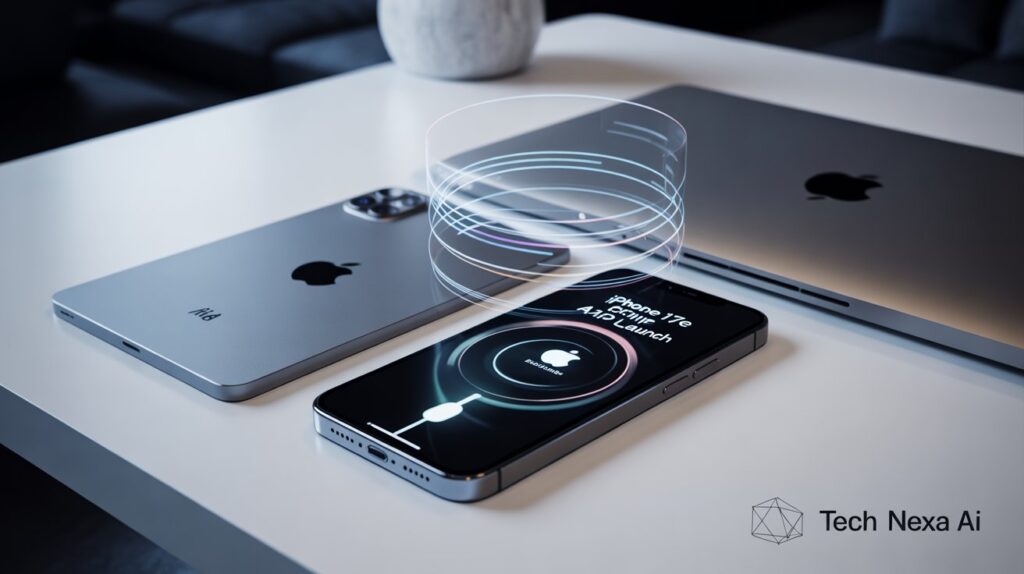
Apple has once again expanded its ecosystem with the introduction of the new iPhone 17e, updated iPad Air with the powerful M4 processor, and rumors of upcoming affordable MacBooks. These new devices focus on performance, artificial intelligence capabilities, and improved connectivity while also targeting a wider range of users.
The latest lineup reflects Apple’s strategy of making advanced technology more accessible while still maintaining the premium performance the brand is known for. Let’s explore the most important details about Apple’s newest devices.
iPhone 17e: Powerful Yet Affordable
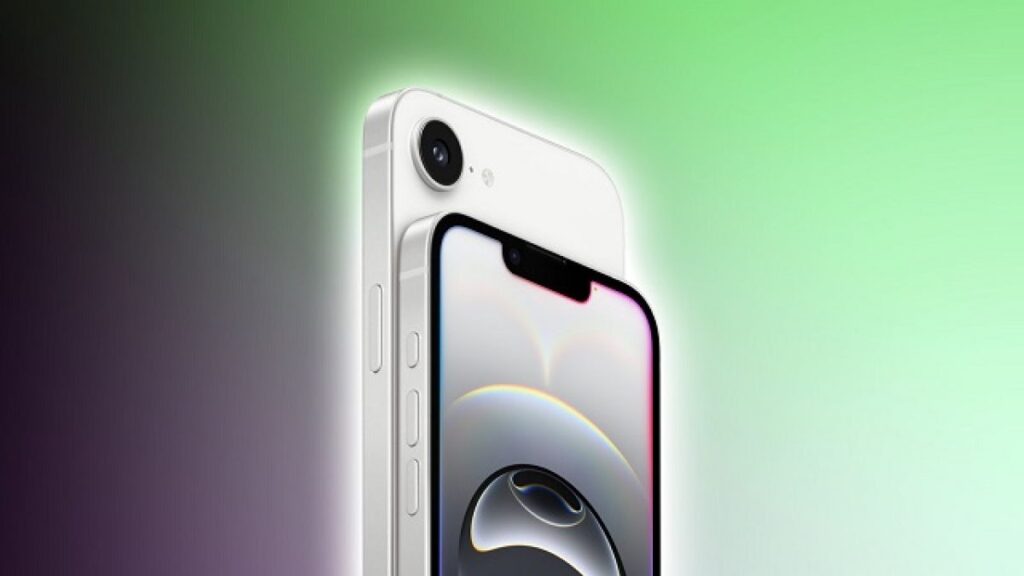
The iPhone 17e has been introduced as an entry-level smartphone, but it brings several premium features that make it stand out in the market. The device is powered by the new A19 chip, which delivers better performance and improved efficiency compared to previous models.
This processor allows smoother multitasking, faster app performance, and improved AI-based features integrated into the system. Users can expect faster processing for everyday tasks as well as better performance for gaming and media applications.
Apple has also included Center Stage technology in the front camera. This feature automatically adjusts the frame during video calls, keeping the user in focus even when they move. It enhances the overall video communication experience, which is becoming increasingly important for remote work and online meetings.
Another key feature is the addition of MagSafe support. With this technology, users can easily attach magnetic accessories such as wireless chargers, wallets, and stands. The improved wireless charging capability also makes the device more convenient for everyday use.
Despite earlier rumors suggesting a Dynamic Island design, the iPhone 17e retains the classic notch design. Apple likely kept this design to maintain the identity of its affordable lineup while still delivering modern features.
The smartphone will start at a price of around $599, making it one of the most competitive options in the premium mid-range smartphone market. The device will be available in black, white, and a new soft pink color. Pre-orders begin on March 4, and the phone will officially launch in more than 70 countries on March 11.
iPad Air Gets the M4 Chip
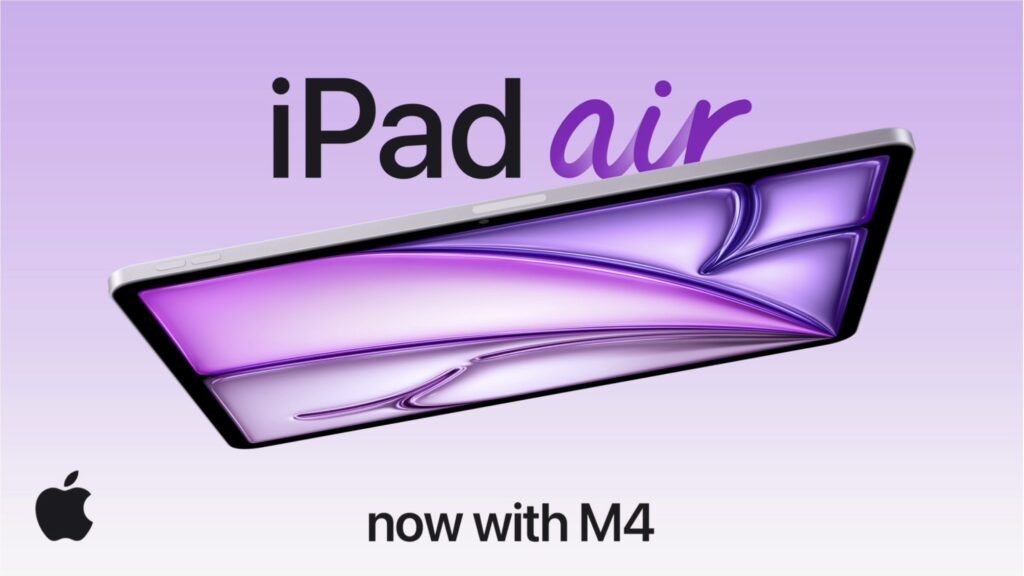
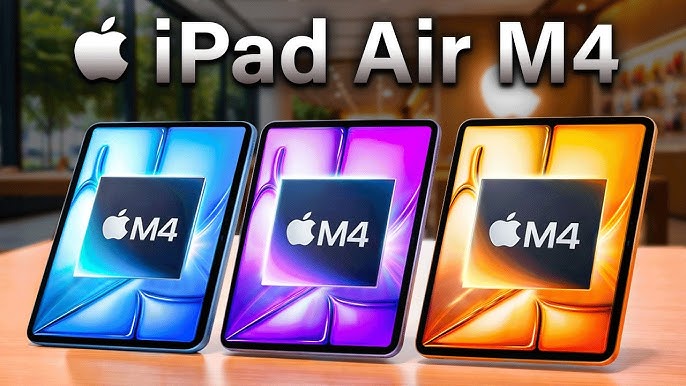
The iPad Air has received a major performance upgrade with the introduction of Apple’s M4 processor. This chip significantly improves graphics and computational performance, making the tablet more capable for demanding tasks.
The M4 chip includes an 8-core CPU and a 9-core GPU, providing up to 30 percent better multitasking performance compared to the previous M3 model. This improvement allows users to run multiple applications smoothly while handling intensive workloads such as photo editing, video editing, and creative design.
Apple has also expanded the RAM capacity to up to 12GB. This additional memory helps the device manage complex tasks more efficiently while improving the overall user experience.
The cellular version of the iPad Air includes the new C1X modem, which provides up to 50 percent faster 5G speeds while consuming 30 percent less power. This ensures a more stable connection even in areas with fluctuating network signals.
The device keeps its familiar design, including a bright LCD display with 500 nits brightness, a 12-megapixel camera, and compatibility with accessories like the Magic Keyboard and Apple Pencil Pro.
Standard iPad Receives AI Upgrade
Apple has also updated the base iPad with the A18 chip. This upgrade brings improved performance and unlocks several artificial intelligence features within iPadOS.
The updated hardware allows the tablet to support advanced Siri capabilities and other AI-driven functions designed to improve productivity and daily use. With its affordable pricing, the base iPad continues to target students, educators, and casual users who want reliable performance without a high price tag.
Rumors of an Affordable MacBook
Reports suggest that Apple may introduce a new MacBook without any specific branding, featuring a 12.9-inch display and the A18 Pro chip. This device could be designed to compete with Chromebooks and low-cost laptops.
The expected price range is between $599 and $699, making it one of Apple’s most affordable laptops ever. The configuration may include 8GB of RAM and limited storage options, focusing on portability and integration with Apple’s ecosystem.
Although the device may not be intended for heavy professional tasks, it could attract students and users switching from basic laptops to the Apple platform.
MacBook Pro with M5 Chips
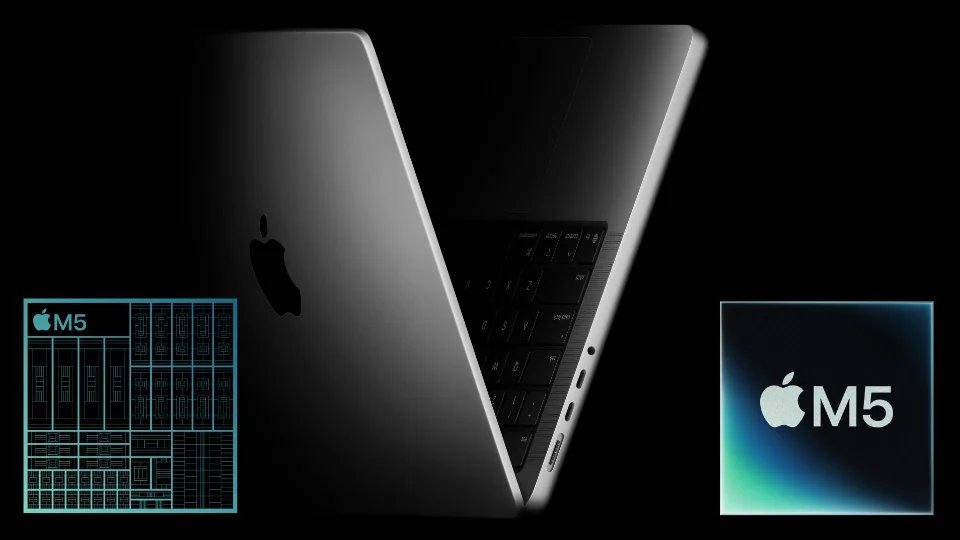
Apple is also improving its professional laptops with the new M5 Pro and M5 Max processors. The updated MacBook Pro models, available in 14-inch and 16-inch sizes, offer better performance for graphics, AI workloads, and demanding professional applications.
These laptops are ideal for video editors, developers, and 3D designers who require powerful portable machines. The improved neural engines allow advanced machine learning tasks to run locally without relying heavily on cloud processing.
The MacBook Pro models continue to support multiple connectivity options, including USB-C and HDMI ports, ensuring compatibility with professional setups.
Future Apple Devices and Displays
Rumors also suggest a future MacBook Air powered by the M5 chip. This model is expected to maintain its thin design while delivering a balance between performance and portability.
Apple may also introduce a new Studio Display featuring a 120Hz refresh rate and HDR support. These improvements would make the display more appealing to creative professionals who require high visual accuracy for editing and design work.
Conclusion
Apple’s latest devices show a clear focus on performance, AI capabilities, and ecosystem integration. From the affordable iPhone 17e to the powerful iPad Air with the M4 chip and upcoming MacBook updates, Apple continues to expand its product lineup to reach a broader audience.
These innovations highlight Apple’s commitment to combining powerful hardware with intelligent software, creating devices that deliver both performance and convenience for modern users.