
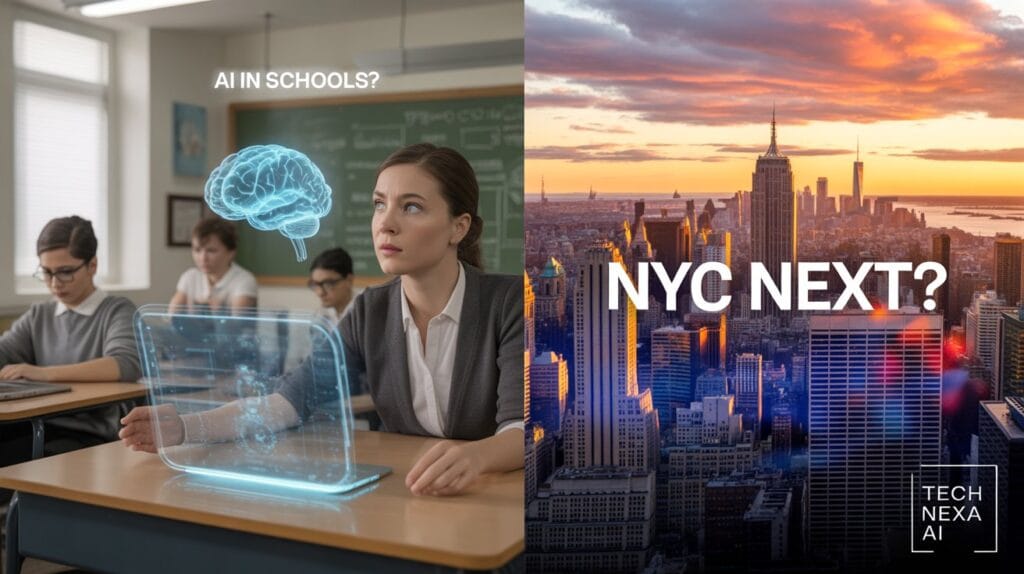
U.S. schools are betting big on A.I. From classroom lesson planning to personalized tutoring systems, artificial intelligence is rapidly becoming part of daily education across America. What once sounded futuristic is now a real-time debate shaping school policies, district budgets, and family conversations. And now, many parents are asking a critical question: Will New York City be next?
This year could become a defining moment for how artificial intelligence reshapes American classrooms. While some educators see A.I. as a powerful academic tool, others worry about student privacy, data collection, and overreliance on technology at an early age.
U.S. Schools Are Betting Big on A.I. to Transform Learning
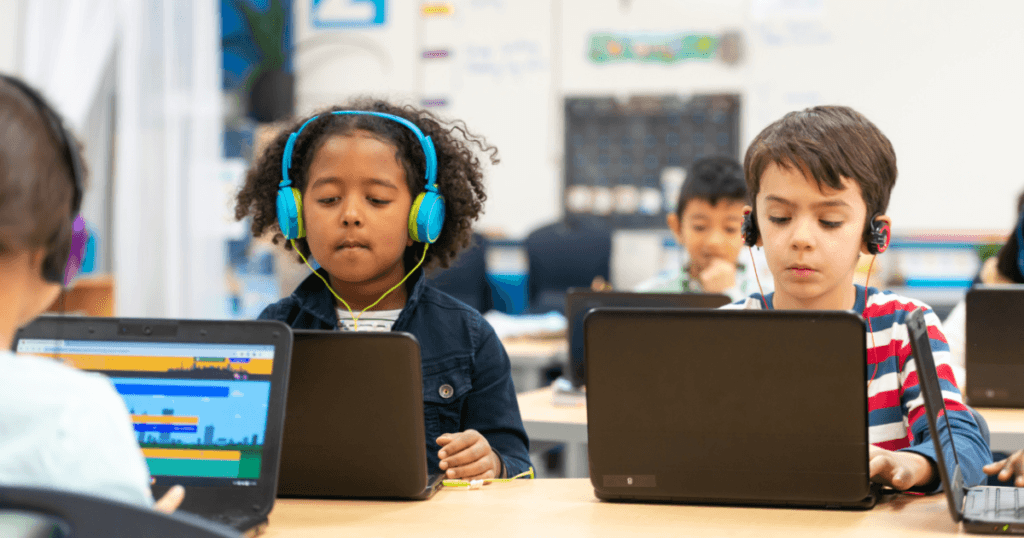
Across several states, school districts are piloting A.I.-powered tutoring systems that adapt to each student’s pace. These systems analyze performance data, suggest targeted exercises, and even provide instant feedback. Supporters argue that A.I. can reduce teacher workload, close achievement gaps, and provide 24/7 academic assistance.
us school are betting Big on ai
For example, some districts are integrating generative A.I. tools to help students brainstorm essays, practice math problems, and receive language translation support. Advocates say this technology could especially benefit under-resourced schools.
However, critics caution that without clear guidelines, A.I. may unintentionally widen inequality. Students with better internet access and devices may gain more advantages, while others could be left behind.
U.S. schools are betting big on A.I. .
Why Families Want Caution in New York City
In New York City, conversations around expanding A.I. in schools are intensifying. Some families are urging Mayor Mamdani to slow down implementation until stronger safeguards are in place. Concerns range from student data privacy to algorithmic bias and reduced human interaction in classrooms.
Parents worry that over-dependence on automated systems may weaken critical thinking skills. Others question whether children are ready for tools that generate answers instantly instead of encouraging independent problem-solving.
Still, many teachers argue that banning or delaying A.I. entirely may leave students unprepared for a technology-driven workforce.
Artificial Intelligence in American Schools: Benefits vs Risks
| Potential Benefits | Potential Risks |
|---|---|
| Personalized learning support | Student data privacy concerns |
| Reduced teacher workload | Overreliance on automation |
| 24/7 tutoring assistance | Algorithmic bias |
| Faster feedback and grading | Equity gaps in device access |
The debate is no longer about whether A.I. exists in education — it is about how responsibly it is implemented.
What Happens If New York City Moves Forward?
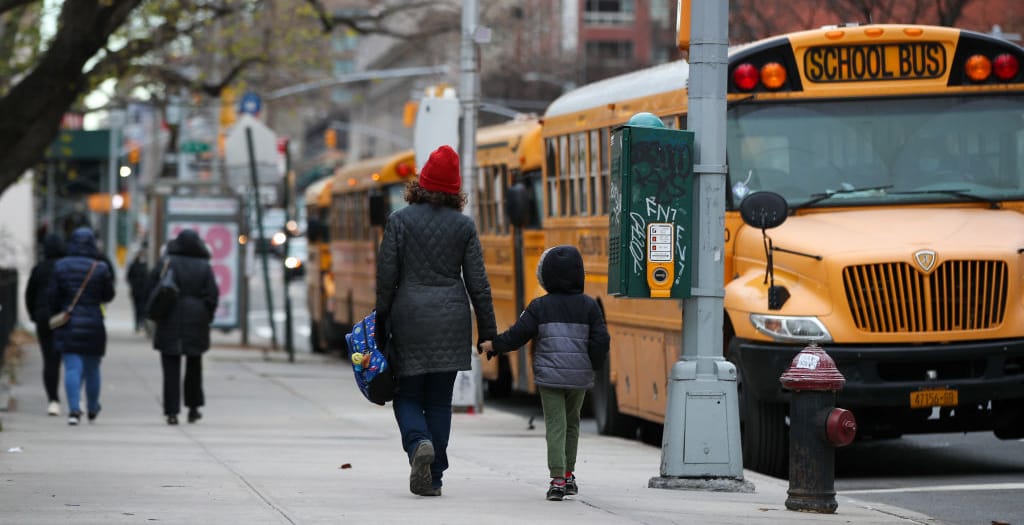
If New York City expands A.I. integration in public schools, it could influence policies nationwide. As one of the largest school systems in the country, its decisions often set trends that other districts follow.
Experts recommend a balanced approach: strong privacy protections, teacher training programs, and clear boundaries on when and how A.I. tools should be used.
The next few months may determine whether A.I. becomes a classroom assistant — or a classroom controversy.
FAQ: A.I. in U.S. Schools
Q1: Is A.I. already used in American schools?
Yes, many districts use A.I.-powered tutoring platforms and adaptive learning software.
Q2: Why are some parents concerned?
Parents worry about student data privacy, excessive screen time, and reduced human interaction.
Q3: Could A.I. replace teachers?
Most experts agree A.I. is designed to assist teachers, not replace them.
Q4: Why is New York City important in this debate?
As one of the largest public school systems, its policies could influence national trends.
U.S. schools are betting big on A.I. Whether New York City joins the movement this year could shape the future of education across America. For families, educators, and policymakers alike, this is more than a technology debate — it is a conversation about how the next generation learns, thinks, and grows.