
In 2026, artificial intelligence is no longer just a buzzword — it’s part of everyday work life in the United States. From content creation to customer support, AI tools are helping businesses move faster and cut costs. But this rapid growth is also raising one big question: are AI tools replacing human jobs?
If you’re a freelancer, office worker, or small business owner, this shift may feel both exciting and uncertain. Let’s break down what’s really happening — without fear, hype, or exaggeration.
The Reality: AI Is Changing Jobs, Not Simply Deleting Them
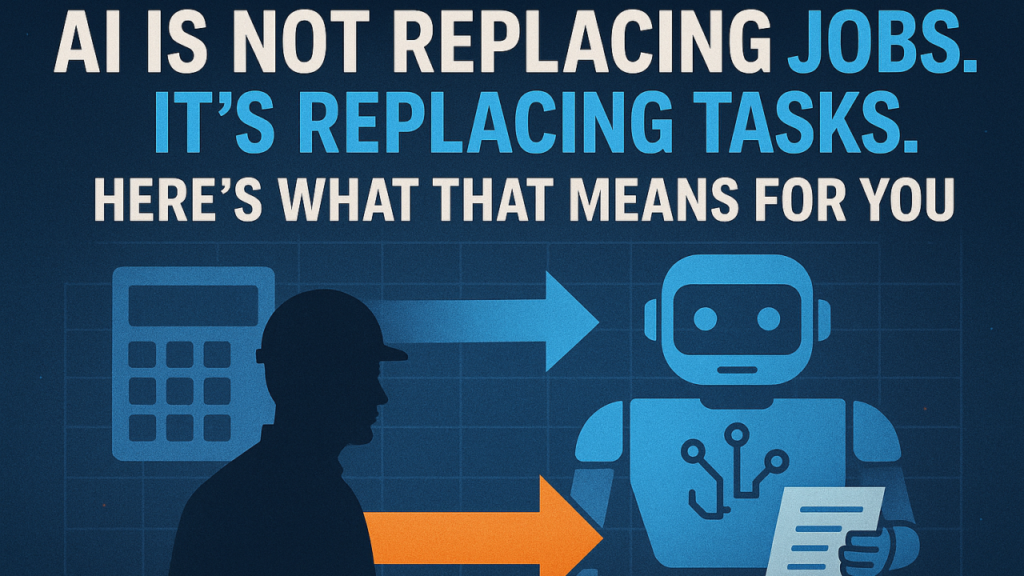
Many experts agree that AI is automating repetitive tasks rather than eliminating entire careers. For example, writing assistants like ChatGPT help draft content faster, but human creativity, strategy, and emotional intelligence are still essential.
In industries like marketing, design, tech support, and data analysis, AI is becoming a support tool — not a full replacement.
Which Jobs Are Most Affected?
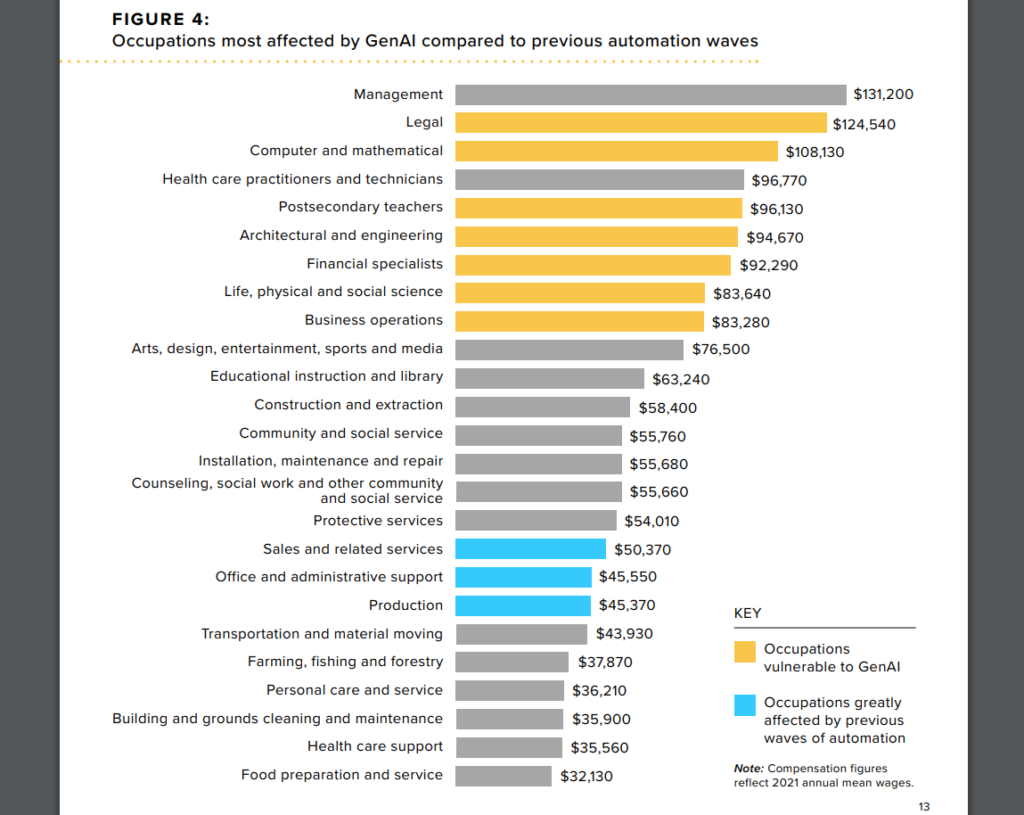
Jobs that involve repetitive digital tasks are seeing the biggest impact. These include:
- Basic content writing
- Data entry roles
- Customer support chat handling
- Simple graphic design tasks
However, higher-level skills such as decision-making, leadership, brand voice development, and creative direction remain strongly human-driven.
Why Many Americans Are Choosing to Adapt Instead of Panic
Instead of fearing AI, many U.S. workers are learning how to use it as a productivity tool. Freelancers are delivering projects faster. Entrepreneurs are automating marketing. Small businesses are reducing overhead costs.
The key shift is this: workers who learn AI tools are becoming more valuable — not less.
Skills That Will Matter More in the AI Era
If you want to stay competitive in 2026 and beyond, focus on skills that AI cannot easily replicate:
- Critical thinking
- Creative strategy
- Personal branding
- Emotional intelligence
- Advanced problem-solving
AI can generate information, but it cannot replace authentic human perspective and experience.
The Bottom Line
AI tools are transforming the American workforce, but they are not eliminating the need for people. Instead, they are changing how work gets done. Those who resist may struggle. Those who adapt may thrive.
The real opportunity in 2026 isn’t avoiding AI — it’s learning how to use it wisely.