
Anthropic Claude Data Theft Allegations have ignited one of the biggest AI controversies of 2026. Reports claim that Chinese AI firms accessed Claude using thousands of fake accounts to accelerate development of competing AI systems. If true, this is not just a company dispute — it’s a turning point in the global artificial intelligence race.
Anthropic Claude Data Theft Allegations: What Really Happened?
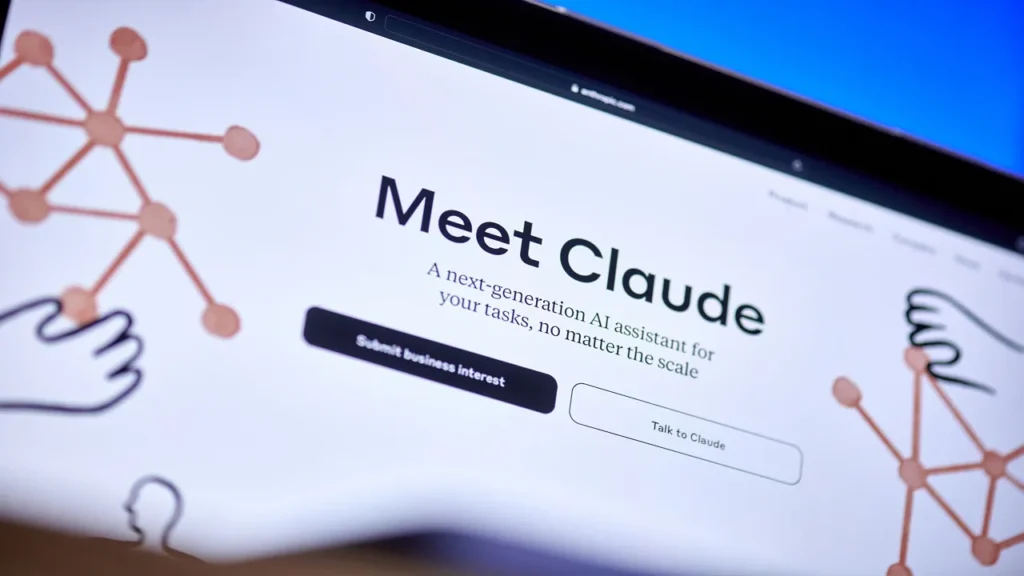
According to reports, multiple AI firms allegedly created around 24,000 fake accounts to access Claude, Anthropic’s flagship AI system. The goal? Extract responses, analyze outputs, and potentially use that data to improve rival AI models faster and cheaper.
This raises serious questions: Can AI outputs be harvested at scale? Where is the line between competitive research and platform abuse? And most importantly — how secure are today’s AI systems?
Why This Matters for the US AI Industry
The United States currently leads in frontier AI research. However, model access abuse could weaken competitive advantages. If rival companies systematically extract outputs from advanced systems, innovation cycles shrink dramatically.
This isn’t just about one platform. It’s about AI infrastructure security. If platforms cannot detect and block large-scale fake account usage, the entire ecosystem becomes vulnerable.
AI Platform Security Comparison
| Factor | Open Access AI | Enterprise Protected AI |
|---|---|---|
| Account Verification | Basic Email | Strict Identity Controls |
| Abuse Monitoring | Limited | Advanced Detection Systems |
| Data Extraction Risk | Higher | Lower |
| Cost Efficiency | Low Barrier | Premium Access |
The Bigger Ethical Debate
AI models learn from massive datasets. But using another AI’s outputs at scale may create legal and ethical gray zones. Is AI-generated text protected intellectual property? Or is it publicly usable content once generated?
The answers could reshape AI regulation in both the US and globally.
What Happens Next?
If investigations confirm large-scale platform misuse, AI companies may introduce stricter authentication, higher usage monitoring, and advanced bot detection systems. Governments could also step in with regulatory frameworks focused on AI output protection.
The AI race is no longer just about building smarter models. It’s about protecting them.
FAQ
What are the allegations about Claude?
Reports claim fake accounts were used to access and potentially analyze Claude’s outputs for competitive AI development.
Is this confirmed?
The situation is based on reports and ongoing discussions. Official investigations would determine final conclusions.
Why does this matter globally?
AI leadership impacts economic power, defense strategy, and technological dominance.
Can AI outputs be protected legally?
This is currently debated and may shape future AI intellectual property