
There’s a storm brewing in the social media world, and it’s centered squarely on one app almost everyone knows — TikTok.
What began as a dance video platform has grown into one of the most influential social networks on the planet. Now, the United States government is tightening the reins in ways that could fundamentally reshape how Americans interact with the app.
Is this the end of TikTok in the U.S.? Or just the start of a new chapter in tech regulation? The answers matter far beyond short-form video feeds.
What Just Happened?
U.S. lawmakers have passed fresh restrictions targeting TikTok, the Chinese-owned platform that has become ubiquitous among teens and adults alike.
Under the new ruling, TikTok must either divest from its parent company ByteDance or face a nationwide ban within a set timeframe, unless it can comply with strict data security requirements. The rationale? Concerns over national security, data privacy, and foreign influence.
For everyday Americans scrolling through For You feeds, this news landed like a bolt from the blue. It’s the rare moment when tech policy feels personal, because TikTok isn’t just another app — it’s a place where trends, challenges, and culture come alive.
Why This Matters (Beyond the Headlines)
To understand the implications, it helps to zoom out.
TikTok isn’t simply a video platform. It’s a cultural engine that shapes trends, music charts, language, and even political discourse. A TikTok ban isn’t just about losing an app — it’s about removing a massive cultural touchpoint.
This ruling serves as a stark reminder that social networks don’t operate in a vacuum. They live at the intersection of tech, politics, and public sentiment.
For Everyday Users: What’s at Stake?
Imagine losing your favorite entertainment source overnight. Or the platform where you discover recipes, life hacks, or the latest memes.
If TikTok is banned, users may lose access to years of archived videos, saved playlists, and personal content. Sure, alternatives like Instagram Reels and YouTube Shorts exist, but none capture the same spirit or algorithm-driven discovery experience.
Casual users who open the app daily could suddenly find themselves in a digital void — a familiar habit abruptly gone.
For Content Creators: A Shifting Landscape

For creators, this is seismic.
TikTok has become more than a hobby platform — it’s a career for many. From sponsored posts to paid partnerships, creators have built businesses on its algorithmic reach. Losing that would send shockwaves through the creator economy.
And it’s not just TikTok. Brands and influencers have tailored their strategies around its unique engagement patterns. A ban forces creators to rethink where they build audiences and revenue.
The Tech Industry’s Perspective
For Silicon Valley and global tech giants, this move underscores a growing trend: governments are willing to regulate big tech fiercely.
The TikTok decision isn’t isolated. Similar data privacy and foreign ownership concerns are emerging worldwide. Tech companies, whether American or foreign-owned, now face a political environment that’s much less forgiving.
We’re entering an era where apps could be treated like utilities, subject to national security audits, data localization requirements, and ownership scrutiny.
How Data Security and Tech Policy Work
At the heart of this debate is data — not just TikTok’s content, but how user information is stored, transmitted, and potentially accessed.
U.S. lawmakers argue that foreign-owned apps could share data with unsavory entities if compelled by their home governments. TikTok executives counter that U.S. user data is stored domestically and protected by strict safeguards.
This clash highlights a broader dilemma: How do you balance innovation with national security? And who gets to decide when a platform crosses a line?
Possible Outcomes and Timelines
Here are the main roads TikTok could travel in the months ahead:
- Divestment: TikTok separates from ByteDance and operates under a U.S.-based ownership structure.
- Ban Implementation: The app becomes inaccessible in the United States if security conditions aren’t met.
- Legal Challenges: TikTok could pursue courtroom battles that delay or overturn parts of the ruling.
- Data Security Agreements: New compliance standards could allow the app to remain active under strict oversight.
Each of these paths involves legal complexity, negotiations, and public scrutiny — meaning the final outcome might look different from what we expect today.
Benefits and Limitations of the Decision
Benefits:
- Stronger data oversight
- Precedent for digital sovereignty
- Potential for more secure, transparent platforms
Limitations:
- Content loss for users
- Economic impact on creator monetization
- Potential rise of unregulated alternatives
Any large-scale tech ban comes with trade-offs. Security might improve, but so might user frustration — especially for those whose daily routines are deeply tied to the platform.
What This Could Mean for the Future of Social Media
If TikTok is removed from the U.S. market, it won’t disappear globally — but its absence here could reshape the broader social landscape.
Competitors may innovate faster, seeking to capture displaced users. Regulators in other countries might feel emboldened to pursue similar actions. And governments will be watching closely as tech platforms try to navigate compliance without sacrificing user trust.
This moment isn’t just about one app. It’s about how the digital world will be governed — and who gets to call the shots.
Frequently Asked Questions (FAQ)
Is TikTok already banned in the United States?
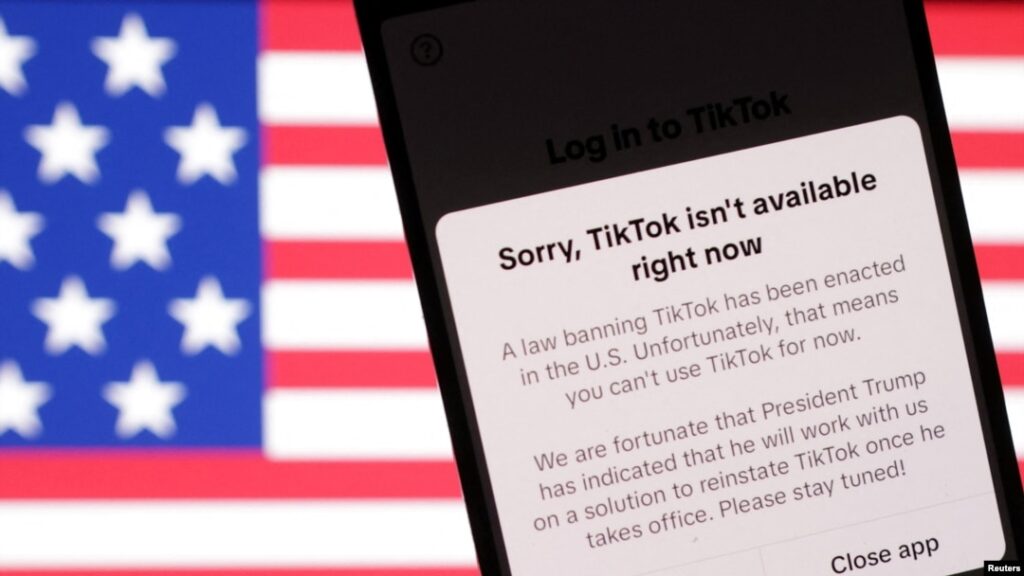
No — at the moment, the latest decision places strict conditions on TikTok’s operations. A full ban could happen if those conditions aren’t met within the specified timeline.
Why is TikTok facing a ban?
The primary concerns center around data security and foreign ownership. Lawmakers worry that user data could be accessed by foreign entities if proper safeguards aren’t enforced.
Can TikTok avoid a ban?
Yes — if the company divests from its parent ByteDance or reaches stringent data control agreements with U.S. authorities, it may continue operating.
What happens to existing TikTok content if a ban occurs?
If TikTok is banned, users may lose access to their saved content unless the platform offers data export tools prior to shutdown.
Will creators lose money if TikTok is banned?
Potentially, yes. Many creators rely on TikTok for income through sponsorships, partnerships, and monetization tools. A ban would force them to shift to other platforms.