
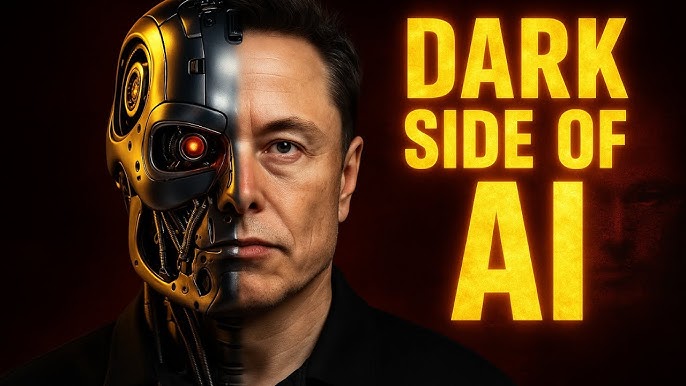
AI security risks are becoming a serious concern in 2025 as artificial intelligence tools collect, process, and store massive amounts of user data.Artificial Intelligence has become part of our daily life in 2025. From writing content and generating images to automating business tasks, AI tools are everywhere. But behind this convenience, there is a hidden side of AI that most companies do not clearly explain — serious security and privacy risks.
This article explains the dark side of AI security in a simple, human way. No fear-mongering, only awareness.
HIDDEN AI SECURITY RISKS MOST USERS IGNORE THE DARK SIDE OF AI
1. YOUR AI PROMPTS ARE NOT ALWAYS PRIVATE
Many users believe that once a prompt is submitted, it disappears forever. In reality, prompts can be temporarily stored, logged for system improvement, or reviewed for safety purposes. This means sensitive personal or business information should never be shared with AI tools.THE DARK SIDE OF AI
2. AI TOOLS COLLECT MORE DATA THAN YOU EXPECT
AI platforms often collect device information, usage patterns, interaction behavior, and indirect location signals. Even when data is labeled as anonymous, repeated usage patterns can still identify users over time.
3. AI MODELS CAN ACCIDENTALLY LEAK INFORMATION
AI systems do not remember users like humans, but training data influences responses. In rare cases, weak filtering or system bugs can expose unintended information. This risk increases during beta or experimental AI features.THE DARK SIDE OF AI
4. THIRD-PARTY INTEGRATIONS INCREASE SECURITY RISK
Many AI tools integrate with browsers, cloud storage, email platforms, and productivity apps. Each integration creates a new entry point for attackers if security measures are weak.THE DARK SIDE OF AI
5. AI SYSTEMS CAN BE MANIPULATED
prompt
Attackers can exploit AI using techniques like prompt injection or context manipulation. This can result in incorrect outputs, policy bypass attempts, or unintended behavior from AI systems.
6. HACKERS ALSO USE AI

Cybercriminals now use AI to generate phishing emails, fake websites, and automated scams. AI-powered attacks are faster, smarter, and more convincing than traditional cyber threats.
7. “WE DON’T STORE YOUR DATA” HAS CONDITIONS
Many companies claim they do not store user data, but exceptions exist. Logs may be kept for abuse prevention, security monitoring, or legal compliance. Free and enterprise versions often follow different data policies.
HOW TO STAY SAFE WHILE USING AI TOOLS
You don’t need to stop using AI — you just need to use it wisely.
• Never share passwords or personal documents
• Avoid entering confidential business data
• Use trusted AI platforms only
• Review privacy policies carefully
• Limit third-party integrations
FINAL THOUGHTS
AI is powerful, but awareness is even more powerful. Understanding the hidden security risks of AI helps you stay protected in a world where technology evolves faster than regulations. Use AI as a tool — not blindly, but intelligently.