
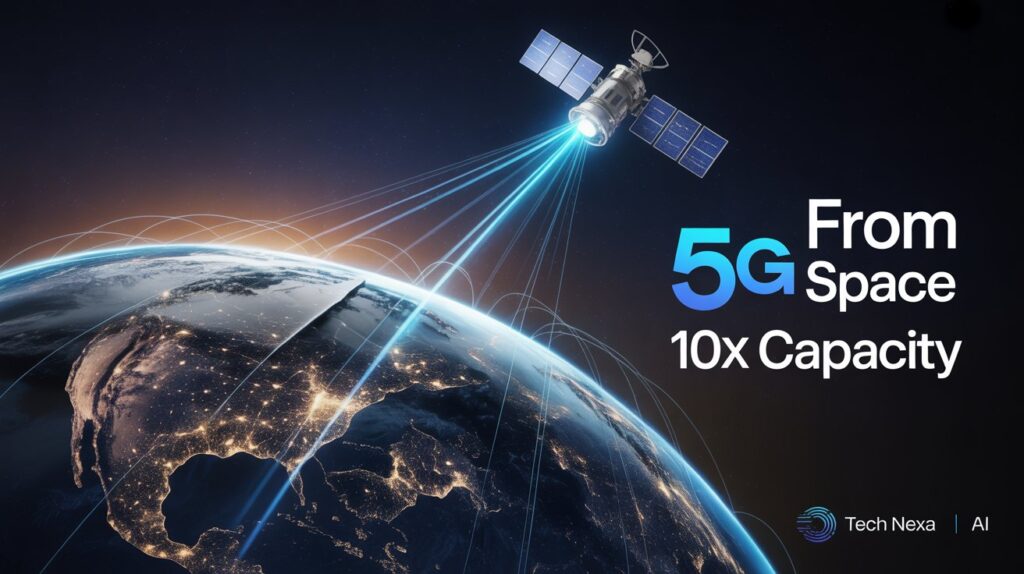
Starlink Mobile V2 satellites are making headlines across the United States after announcing next-generation space-based connectivity capable of delivering 5G-like speeds directly from orbit. With claims of up to 100x the data density compared to V1 satellites, this development could reshape how Americans access the internet — especially in rural and underserved areas.
The idea of streaming, browsing, and making voice calls from space — without relying entirely on traditional cell towers — sounds futuristic. But this is no longer science fiction. It is rapidly becoming infrastructure reality.
Starlink Mobile V2 satellites promise 5G speeds from space
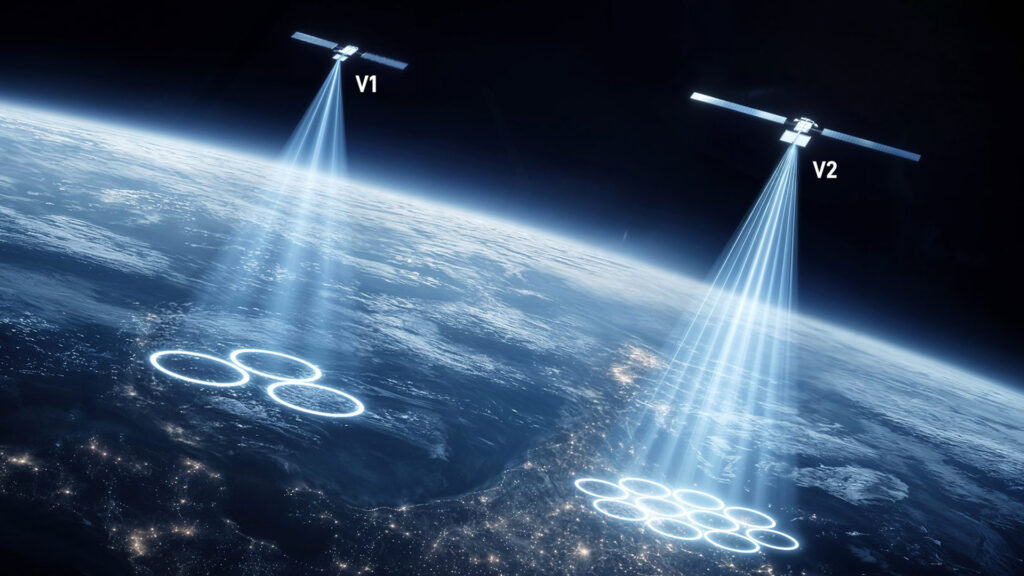
Starlink Mobile V2 satellites are designed to dramatically increase capacity and coverage. Compared to the earlier V1 generation, V2 satellites are built with higher bandwidth throughput, improved antenna arrays, and better spectrum efficiency.
This means smoother streaming, faster downloads, lower latency, and more reliable connectivity — even in remote American regions where terrestrial networks struggle.
Why This Matters for the U.S. Internet Landscape

The United States still faces connectivity gaps in rural states, mountainous regions, and disaster-prone zones. Traditional fiber and tower-based infrastructure can be expensive and slow to deploy. Satellite-based 5G-like coverage offers an alternative layer of resilience.
- Expanded rural broadband access
- Emergency communication backup
- Reduced network congestion
- Nationwide coverage expansion
If fully optimized, this could complement existing carriers rather than replace them.
V1 vs V2 Comparison
| Feature | V1 Satellites | V2 Satellites |
|---|---|---|
| Data Density | Standard capacity | Up to 100x higher density |
| Speed Capability | Broadband level | 5G-like performance |
| Network Support | Internet focused | Streaming, apps, voice calls |
| Coverage Efficiency | Moderate | Enhanced high-capacity beams |
Is This the Future of Mobile Networks?
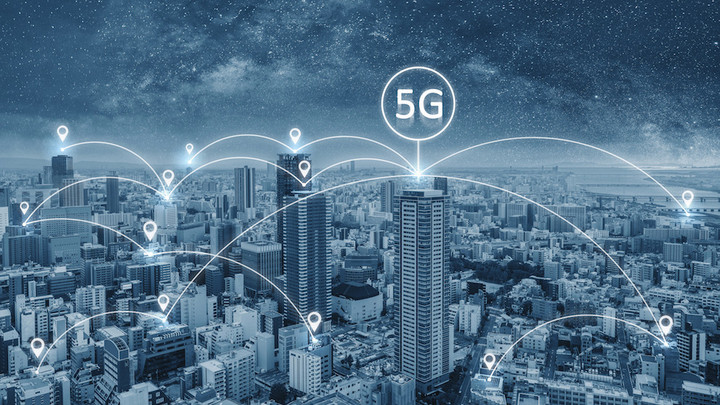
While terrestrial 5G networks will remain essential, satellite augmentation could improve redundancy and expand national coverage. The integration of space-based internet with ground networks may create a hybrid system — faster, broader, and more stable.
Potential Challenges
- Regulatory approvals
- Device compatibility
- Spectrum management
- Infrastructure integration
Despite challenges, momentum around satellite-mobile convergence continues to grow.
FAQ
What makes V2 satellites different from V1?
They offer significantly higher data density and improved bandwidth capacity, enabling faster and more scalable service.
Will this replace traditional 5G towers?
No. It is expected to complement terrestrial networks, not eliminate them.
When could Americans experience this service?
Deployment timelines depend on launch schedules, regulatory approvals, and carrier integration.
Conclusion
The introduction of next-generation satellite infrastructure signals a major shift in digital connectivity strategy. If successful, space-powered 5G could narrow the digital divide and enhance resilience across the United States.
As technology evolves, one thing becomes clear: the future of connectivity may not just be on the ground — it may be orbiting above us.