
Phishing attacks are no longer just targeting people who lack technical knowledge. In fact, some of the most educated, experienced, and intelligent individuals in the United States fall victim to phishing scams every single day. From corporate executives to IT professionals, no one is completely immune. The real question is not “Who is smart?” but “Who is human?”
Hackers don’t break into systems anymore — they manipulate people. And that’s exactly why smart people fall for phishing attacks.
What Is a Phishing Attack?
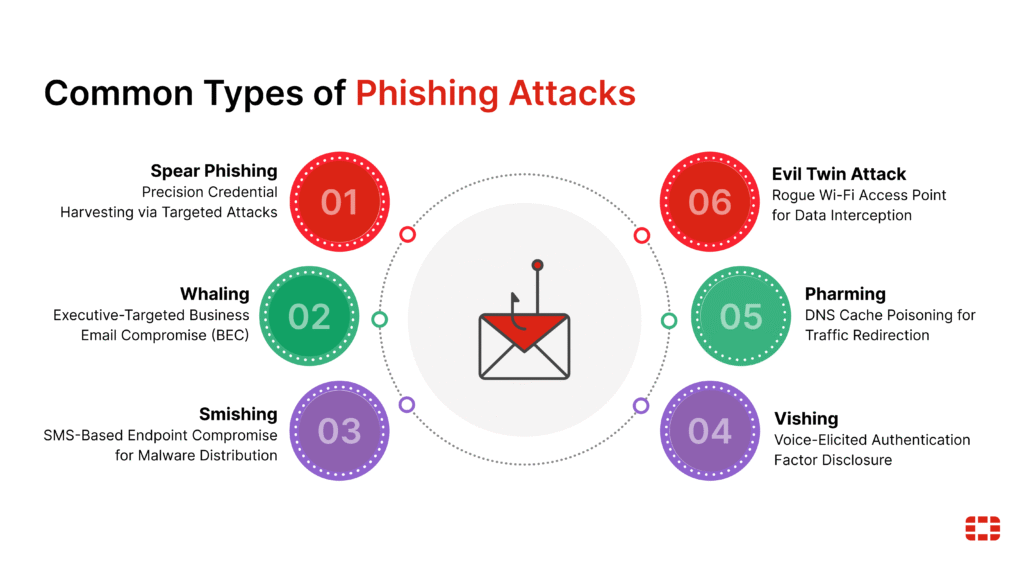
A phishing attack is a type of cybercrime where attackers pretend to be a trusted organization, company, or person to trick you into sharing sensitive information. This can include passwords, banking details, Social Security numbers, or personal data.
Most phishing attempts happen through:
- Fake emails that look like they are from banks or companies
- Text messages pretending to be delivery services
- Login pages that copy real websites
- Urgent security alerts
In 2026, these scams have become extremely advanced. Many phishing emails now look identical to real corporate messages.
The Psychology Behind Why Smart People Get Tricked
Intelligence does not protect people from manipulation. In fact, sometimes smart people are easier to target because they are confident in their decision-making.
Cybercriminals understand human behavior deeply. They use psychological triggers like fear, urgency, curiosity, and authority to push people into acting quickly without thinking.
1. Urgency Overrides Logic
One of the most common phishing tricks is creating panic.
Examples include:
- “Your bank account has been locked.”
- “Unusual login detected.”
- “Immediate action required.”
Even smart individuals react emotionally when they think their money or data is at risk. In that moment, logic takes a back seat.
2. Trust in Familiar Brands
Hackers often copy well-known American brands like Amazon, Apple, PayPal, or major U.S. banks. When people see a familiar name, they automatically trust the message.
Smart professionals are busy. They skim emails quickly and assume legitimacy based on logos and formatting.
3. Overconfidence
Highly educated users often believe they are too smart to be fooled. This false sense of security makes them less cautious.
They may think:
- “I know what I’m doing.”
- “This won’t happen to me.”
This mindset lowers their guard.
4. Decision Fatigue
Americans receive hundreds of notifications daily. Emails, work messages, alerts, and social media updates create mental overload.
When the brain gets tired, it makes faster and weaker decisions. That’s when phishing emails slip through.
Why Phishing Attacks Are So Effective in 2026
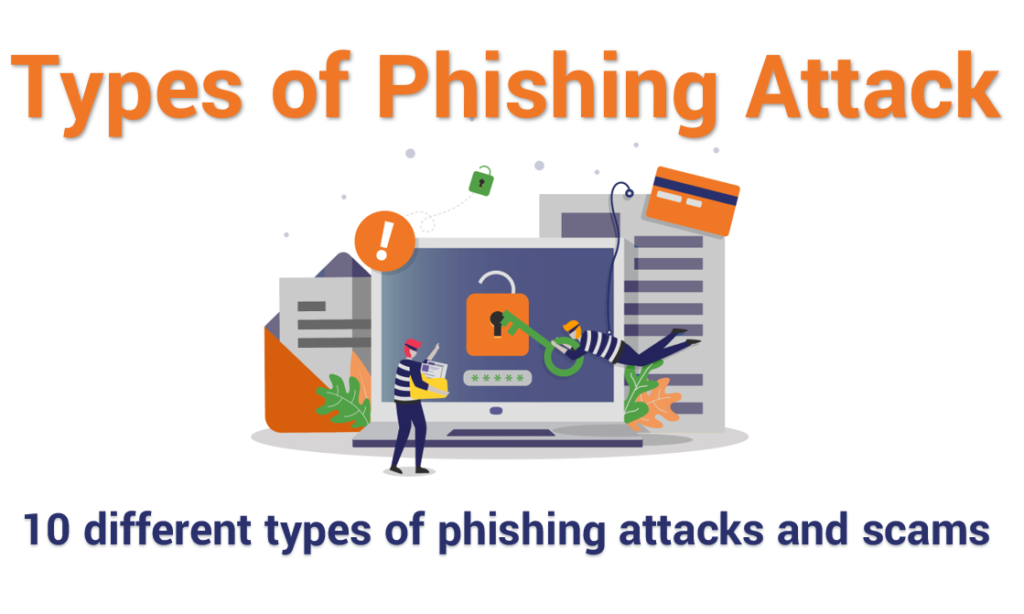
Modern phishing attacks are no longer filled with spelling mistakes and obvious errors. Attackers now use AI tools to create professional, personalized messages.
Some emails include:
- Your real name
- Your job title
- Your company name
- Recent activity information
This makes the message feel real and trustworthy.
AI Is Making Phishing More Dangerous
Cybercriminals now use artificial intelligence to study social media profiles and collect personal data. They craft highly targeted emails that look authentic.
This is called “spear phishing.”
For example, a fake email might appear to come from your boss asking you to urgently review a document.
Even experienced professionals fall for this because it feels normal.
Real-Life Examples in the United States
Phishing scams in the U.S. have caused billions of dollars in losses. Many victims include:
- Corporate employees
- Healthcare workers
- Government staff
- Small business owners
In many cases, the victims knew about cybersecurity risks. But the scam was so realistic that it passed their mental filter.
Common Signs of a Phishing Attempt
Even the smartest users can avoid scams if they recognize warning signs.
Red Flags to Watch For
- Unexpected emails asking for personal information
- Messages creating pressure or urgency
- Suspicious links
- Strange email addresses
- Attachments you didn’t request
If something feels off, it probably is.
Why Intelligence Alone Is Not Enough
Phishing is not a test of knowledge. It’s a test of attention and emotional control.
Smart people often make quick decisions because they are used to solving problems fast. Hackers take advantage of this behavior.
The goal is to make you react — not think.
How to Protect Yourself From Phishing Attacks
No matter how smart you are, the best protection is awareness and habit.
1. Always Double-Check Links
Before clicking, hover over the link to see the real website address. Fake sites often look similar but have small differences.
2. Never Share Sensitive Information by Email
Legitimate companies in the U.S. rarely ask for passwords, OTPs, or bank details via email.
3. Enable Two-Factor Authentication
This adds an extra layer of protection even if your password gets stolen.
4. Slow Down Before Acting
If an email creates urgency, pause. Think. Verify.
5. Verify Directly
If you receive a message from your bank or workplace, contact them directly using official channels.
The Future of Phishing Attacks
In the coming years, phishing will become even more sophisticated. Deepfake voice calls, AI-generated messages, and highly personalized attacks will increase.
This means awareness is more important than ever.
Final Thoughts
Phishing attacks don’t target weak minds. They target human behavior.
That’s why smart people fall for phishing attacks — not because they lack intelligence, but because hackers understand psychology.
The key to staying safe in 2026 is not just being smart. It’s being careful, patient, and alert.
Remember: One click can expose everything.
FAQs
Why do educated people fall for phishing scams?
Because phishing attacks use emotional triggers like urgency and fear, which affect everyone regardless of intelligence.
Are phishing attacks common in the United States?
Yes. Millions of phishing attempts target U.S. users every year through emails, texts, and fake websites.
What is the safest way to avoid phishing?
Always verify messages, avoid clicking unknown links, and use two-factor authentication.
Can AI increase phishing risks?
Yes. AI helps attackers create more realistic and personalized scam messages.
“`0