
Google Voice Assistant Privacy Lawsuit: What the $68 Million Settlement Means for Users
Google voice assistant lawsuit is making headlines across the United States after Google agreed to pay $68 million to settle allegations that its voice assistant recorded private conversations without user consent.
This case has sparked a fresh debate around AI privacy concerns, data collection, and how much tech companies really listen.
What Is the Google Voice Assistant Lawsuit About?
Google privacy settlement stems from a class-action lawsuit filed by Google device owners who claimed that Google’s voice assistant recorded conversations without the activation phrase “Hey Google.”
According to plaintiffs, these recordings were later reviewed by contractors and potentially shared for advertising-related purposes—raising serious concerns about user trust.
Why Did Google Agree to a $68 Million Settlement?
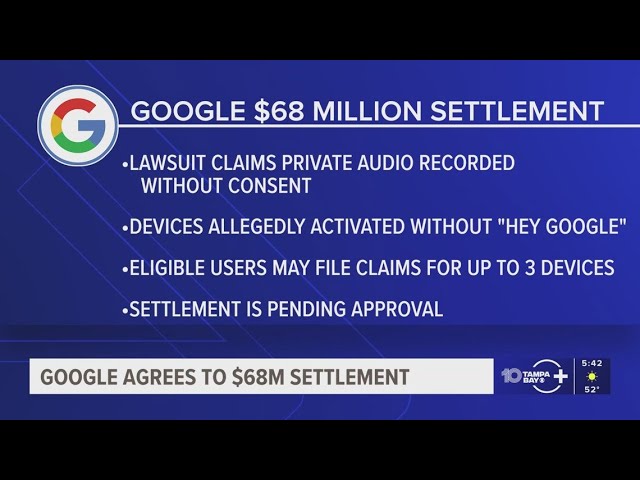
Google voice recording lawsuit does not mean Google admitted wrongdoing. Instead, the company chose to settle to avoid prolonged legal battles and negative public perception.
Legal experts say settlements like this are common when privacy laws and AI technologies intersect in unclear regulatory environments.
Key Allegations Explained Simply
Google AI privacy issue centers around unintentional voice activation. Users claimed their devices activated on similar-sounding words, recording conversations unintentionally.
These recordings, according to reports, were sometimes reviewed by human contractors for improving AI accuracy.
How Does Google Respond to Privacy Accusations?
Google privacy settlement follows years of Google stating that user privacy is a top priority. The company maintains that recordings only happen to improve user experience.
Google also claims users can delete voice history and control data collection through account settings.
What Google Has Changed Since the Lawsuit
Google voice assistant lawsuit pushed Google to introduce clearer privacy controls, better transparency, and opt-in features for voice data review.
Users now receive clearer notifications about data collection and storage policies.
Why This Case Matters for AI and Privacy
AI privacy concerns are growing as smart devices become part of daily life. This lawsuit highlights the thin line between innovation and surveillance.
Experts warn that unchecked AI data collection could lead to broader misuse of personal information.
Impact on the AI Industry
Google AI privacy issue may set a precedent for how AI companies handle voice data. Regulators are already paying closer attention to AI-powered assistants.
This case could influence future laws around consent and transparency.
What Should Google Users Do Now?
Google voice assistant lawsuit serves as a reminder for users to review their privacy settings regularly.
Users are advised to disable voice recording history, review stored audio clips, and understand device permissions.
Simple Steps to Protect Your Privacy
Google privacy settlement highlights the importance of user awareness. Turning off voice activity tracking can reduce data storage.
Regularly clearing Google account activity can also help limit long-term data retention.
Will Users Receive Money from the Settlement?
Google voice recording lawsuit settlement funds may be distributed among eligible users who filed claims, though individual payouts are expected to be modest.
The larger impact is increased transparency rather than financial compensation.
How This Affects Google’s Reputation

Google voice assistant lawsuit adds to growing public skepticism about big tech companies and data usage.
While Google remains a dominant force in AI, trust is becoming just as important as innovation.
Public Trust vs AI Growth
AI privacy concerns could slow adoption if companies fail to earn user trust. Transparency is now a competitive advantage.
Google’s future AI success depends on balancing personalization with privacy.
Final Thoughts: Is AI Listening Too Much?
Google AI privacy issue forces users and companies to rethink how AI fits into everyday life.
As AI assistants grow smarter, clear consent and ethical data use will define the future of technology.
FAQs
Did Google admit wrongdoing?
No. Google agreed to a settlement without admitting fault.
Were conversations shared with advertisers?
Google denies sharing raw audio with advertisers but acknowledged contractor reviews.
Can users turn off voice recording?
Yes. Users can disable voice activity in Google account settings.
Will this change AI laws in the US?
This case may influence future AI and privacy regulations.
Is Google Assistant still safe to use?
Yes, but users should review privacy controls regularly.